Laser Eye Surgery Korea Aftercare at Home: What to Expect
Laser eye surgery in Korea, aftercare at home: the record you take, 1-week to 3-month local checks, drops, warning signs, and how to reach the surgeon.

Dr. Kim Sun-young, Director
Cornea · Glaucoma · Cataract
Contents
I'm Dr. Kim Sun-young, medical director of Healing Eye Clinic in Sinnonhyeon, Gangnam, Seoul. I was a clinical professor of cornea and cataract surgery at a university hospital, and I now operate on international patients every week, with an English interpreter in the room from the exam to the final check.
Before people book, one question comes up again and again: "Dr. Kim, what happens when I'm back home and you're 10 hours away?"
If you're searching laser eye surgery Korea aftercare at home, that's probably your real worry. I understand. The surgery takes minutes; the healing takes months, and most of it happens far from Seoul.
So let me be honest: the most important part of your aftercare is decided before you leave Korea — the record, the schedule and the person you'll message. Here is how I set it up, in the order you'll need it.
Laser eye surgery Korea aftercare at home: what actually happens
The last check in Seoul tells me your eye is safe to fly. It doesn't mean healing is finished.
LASIK and SMILE corneas keep settling over weeks. A LASEK surface keeps smoothing for one to four weeks. So your home checks matter as much as the ones in Seoul. Four things make them work.
1. The written record
Before you fly, you get a written record: the procedure, your prescription, how much tissue was removed, your corneal thickness, and every drop with its schedule.
Think of it like a car's service book. Without it, your local doctor sees a healed cornea; with it, they can see whether it's healing the way it should.
2. Three local checks: one week, one month, three months
Book them with a local ophthalmologist before you leave home, not after you land. Clinics fill up, and a one-week check that slips to three weeks misses its purpose.
At each visit they'll check your vision, the corneal surface and the eye pressure, and compare with our record.
3. Drops on a timetable, not on feeling
Most people get medicated drops for the first weeks and lubricating drops for longer. The schedule on your record is the one to follow.
Patients often stop early because the eye feels fine. Feeling fine is when the drops are working. Phone alarms help.
4. One thread to the surgeon
You'll leave with a WhatsApp thread to us. Send your record photos, your symptoms and your local doctor's findings there. The same doctor who operated reviews it, and our interpreters reply in your language.
Aftercare at home rests on four things you set up before leaving Korea: the written record, three booked local checks, a drops timetable you actually follow, and one message thread back to your surgeon.
Whether the surgery itself is a safe choice for your eyes is a separate question, covered in is LASIK in Korea safe.
Why the surgeon who operated should stay on the thread
Your local doctor sees your eye. I know what I did to it. Good aftercare needs both.
So at our clinic, the doctor who examines you is the doctor who operates and the doctor who answers your questions after you go home. Your messages don't go to a call centre.
Things you can check: international patients pay exactly what Korean patients pay. We hold 4.8 stars from 154 reviews on Google. I'm a full member of the European Society of Cataract and Refractive Surgeons (ESCRS).
Not to impress you — so that you can verify us.
So what is normal, and what needs a doctor today?
Most of what people feel at home is normal healing. A few things are not.
| What you notice | Usually | What to do |
|---|---|---|
| Dryness, grittiness, tired eyes at night | Normal, eases over weeks | Lubricating drops, screen breaks |
| Halos or glare around lights at night | Common early, usually fades | Mention it at your 1-month check |
| Vision slightly up and down day to day | Common in the first weeks | Note it, mention it at your check |
| Worsening pain, or vision suddenly drops | Not normal | Local eye doctor today, message us |
| Red eye with discharge, or a knock to the eye | Not normal | Local eye doctor today, message us |
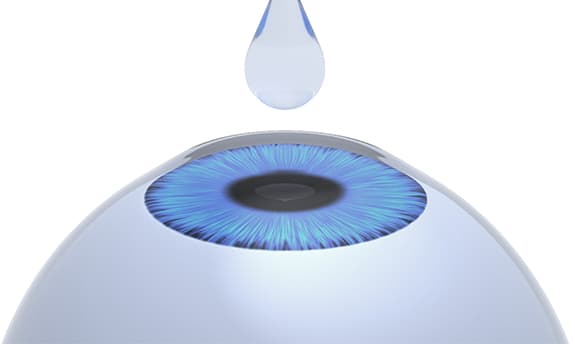
How it differs by procedure:
- Clear LASIK: the flap is lifted and laid back. Don't rub the eye for the first weeks, and avoid contact sports until your doctor clears you.
- SMILE: no flap. Skip swimming, saunas and eye makeup for about a week.
- Perfect LASEK: the first 3–5 days are the most uncomfortable, and the protective lens must come out before you fly. Vision sharpens over one to four weeks.
Side effects I want you to watch for, honestly
No eye surgery is without risk, and aftercare is how we catch problems early.
- Dryness is the most common. If it doesn't ease, our dry eye treatment page explains what we do about it.
- Night glare and halos, more likely with large pupils; usually easing over the first months.
- Regression: a small return of prescription over time is possible. Your three-month check is the first real look at it.
- Inflammation or infection: uncommon, and the reason the medicated drops matter.
Results and recovery vary from person to person. The Korean head office keeps our pre- and post-operative precautions page — the same rules we hand you in English.
Before you leave Seoul: the aftercare checklist
- Photo of your written record on your phone and in your email.
- Local ophthalmologist booked for one week, one month and three months.
- Enough drops for the full schedule, packed in your cabin bag.
- Sunglasses for bright light and dusty air.
- The flight: the cabin is very dry, so use lubricating drops. When flying is safe for each procedure is in flying after LASIK.
- Travelling alone? What changes when nobody comes with you is in laser eye surgery Korea solo trip.
Don't choose a clinic for surgery day — choose it for month three
If you take one thing from this page: ask any clinic, before you book, exactly what happens after you fly home.
It doesn't have to be our clinic. But choose one that gives you a written record, tells you which checks to book, and lets you reach the surgeon who operated.
Send us your prescription, your age and your travel window on WhatsApp, and ask us how aftercare would work in your country. If laser surgery isn't right for your eyes, I'll tell you plainly.
I hope to see you in Seoul — and to hear good news from home three months later.
— Dr. Kim Sun-young, Medical Director, Healing Eye Clinic (Sinnonhyeon, Gangnam, Seoul)
Frequently asked questions
Who checks my eyes after I fly home from Korea?
A local ophthalmologist, at about one week, one month and three months. We give you a written record of the procedure, prescription, amount of tissue removed, corneal thickness and your drops, so they can compare against our numbers.
What should I bring to my local follow-up appointment?
The written surgical record, your drop bottles, and a note of any symptoms with dates. If your local doctor has a question about the surgery, they can send it to us through your WhatsApp thread.
Which symptoms after laser eye surgery need a doctor the same day?
Pain that is getting worse rather than better, vision that suddenly drops, a red eye with discharge, or a knock to the eye. Don't wait for the scheduled check — see a local eye doctor that day and message us.
How long do I use eye drops after LASIK or SMILE?
Usually medicated drops for the first weeks and lubricating drops for longer. The exact names and schedule are written on your record, because they depend on the procedure and how your eye looked at the last check.
Can I contact the clinic after I go home?
Yes. Message us on WhatsApp with photos of your record, your symptoms and your local doctor's findings. The same doctor who operated reviews the question, and our interpreters reply in your language.
Is dryness after laser eye surgery normal at home?
Yes, temporary dryness is the most common thing people notice, especially on flights, in air-conditioning and after long screen time. Lubricating drops help while the corneal nerves recover; if it doesn't ease, tell your local doctor and us.
Message us on official LINE / WhatsApp for a special offer
Your exact candidacy and cost are confirmed in a free 1:1 consultation.