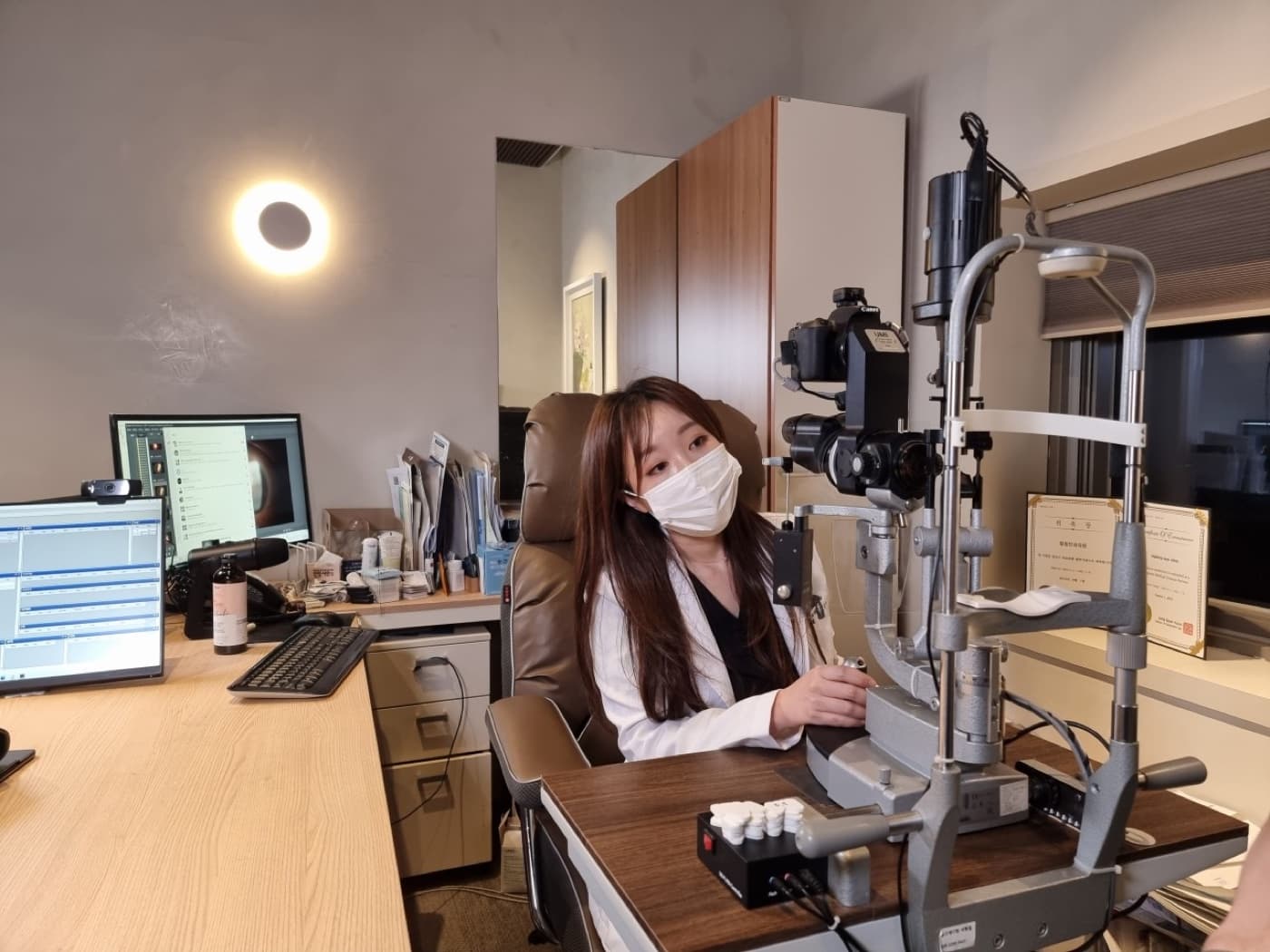
Is LASIK in Korea Safe? The 4 Numbers I Check First
Is LASIK in Korea safe? A Seoul surgeon explains the four exam numbers that decide whether laser is safe for your eye, and when she says no.

Dr. Kim Sun-young, Director
Cornea · Glaucoma · Cataract
Contents
Hello, I'm Dr. Kim Sun-young, Medical Director of Healing Eye Clinic in Sinnonhyeon, Gangnam, Seoul. I was a clinical professor of cornea and cataract at a university hospital, and every week I examine patients who have flown in from abroad, with English-speaking staff on site.
Before booking a flight, many people message us one plain question: "Dr. Kim, honestly — is LASIK in Korea safe?"
If you're searching is LASIK in Korea safe, that's the right question to ask. I'd be more worried if you didn't.
Here is my honest answer: LASIK is not safe or unsafe because of the country. It is safe or unsafe because of your cornea. So let me show you the numbers I look at before I ever say yes.
Is LASIK in Korea safe? It depends on four numbers
LASIK in Korea uses the same kind of lasers and the same procedure as anywhere else. What actually decides your safety is measured in the exam room.
1. Corneal thickness
LASIK lifts a thin flap and reshapes the tissue underneath. After that, enough cornea must remain to keep the eye strong for life.
Think of it like a wall you're about to sand down. Before you start, you need to know how thick it is.
If the margin is too thin, I won't do LASIK. LASEK or ICL may be safer.
2. Corneal shape
Some corneas look normal to the eye but show early weakness on a shape map. Laser on that kind of cornea can make things worse over time.
This is the single most important reason I never skip the full exam, even for patients in a hurry.
If the map looks suspicious, the answer is no laser — however disappointing that is.
3. How high, and how stable, your prescription is
Very high prescriptions need more tissue removed. Prescriptions still changing year to year may drift back after surgery.
If your glasses changed a lot recently, I'd rather wait than chase a moving target.
4. Tear film and pupils
Dry eye before surgery usually means more dryness after. Large pupils can make night glare more noticeable.
Neither is always a stop sign. But they change which method I recommend, and what I tell you to expect.
A safe LASIK decision is made from your corneal thickness, corneal shape, prescription and tear film — not from a price, a review or a country.
If you want to check yourself against these points first, I explain them in more detail in am I a candidate for LASIK.
Why the surgeon who examines you should be the one who operates
At Healing Eye Clinic, the surgeon who reads your exam is the one who operates, and the one who checks you the next day.
When the person holding the laser has personally looked at your corneal map, nothing is lost in a handover.
These aren't boasts, but facts you can verify. We are registered with Korea's Ministry of Health and Welfare as a facility for international patients. Foreign patients pay the same price as Korean patients. We have a Google rating of 4.8 from 154 reviews, and I am a member of ESCRS.
So what happens if LASIK isn't the safe choice for me?
The exam doesn't only answer yes or no. It usually points to a method.
| What the exam shows | What I'd usually consider |
|---|---|
| Healthy, thick enough cornea, moderate prescription | Clear LASIK or Custom LASIK |
| Thinner cornea, or contact sports | LASEK or SMILE |
| Very high prescription, or not enough cornea | ICL |
| Suspicious corneal shape | No laser — we talk about other options |
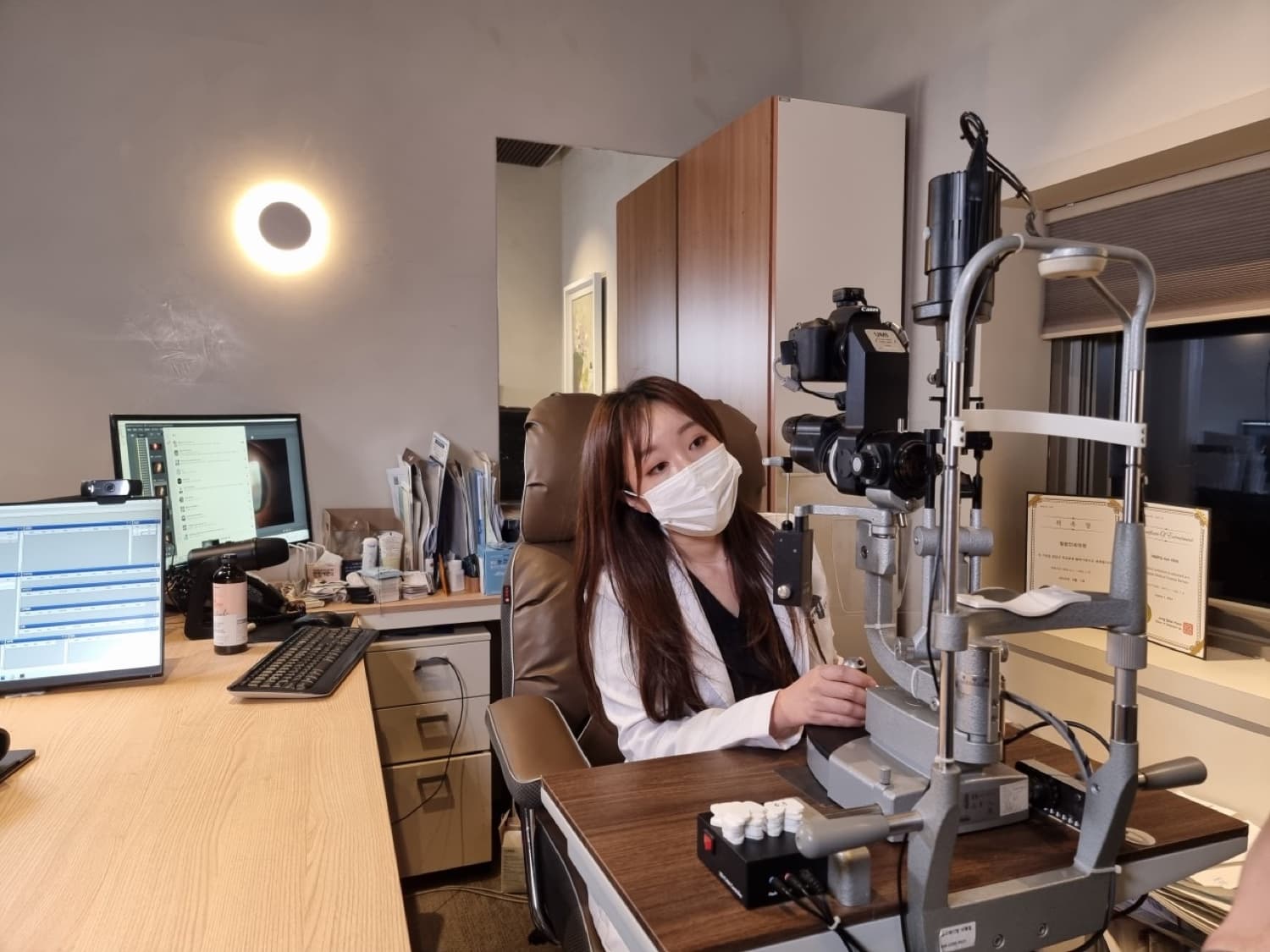
Our published LASIK prices, for reference. Everything that goes into the number is explained in our price page.
| Item | Price |
|---|---|
| Full exam | ₩150,000 |
| Premium LASIK & LASEK (both eyes) | ₩1,990,000 |
| Clear LASIK (both eyes) | ₩2,700,000 |
Side effects I want you to know before you decide
- Dry eye: common in the first weeks, usually improves. Some people need drops for longer. Individual results vary.
- Night glare and halos: more likely with larger pupils; often fades as the eye heals.
- Regression: a small part of the prescription can return over the years. We run a LASIK/LASEK revision center, but whether a second treatment is possible depends on the cornea left.
I won't recommend LASIK if your cornea is thin or irregular, if your prescription is still changing, or if you cannot plan follow-up checks at home. A longer look at the long-term picture is in LASIK side effects long term.
You can see the equipment we use for these measurements on our Korean equipment page.
How to plan a safe trip
- Stop contact lenses first: soft lenses at least one week before the exam, hard lenses longer. They change the corneal shape.
- Stay at least three nights: exam, surgery, next-day check. Four is better.
- Flexible flights: the exam can change the plan.
- Book your home follow-up: 1 week, 1 month and 3 months after surgery.
- Bring the record home: method, prescription, ablation depth, corneal thickness and drops.
For the full picture of LASIK in Korea, from the methods to the cost, read my LASIK in Korea first-timer guide.
Don't book the procedure yet — book the exam
You don't have to choose us. But choose a clinic that measures your cornea first and is prepared to say no.
Send us your current prescription, your age and when you can travel on WhatsApp. If your exam shows LASIK isn't safe for your eye, I'll tell you that directly.
I look forward to examining your eyes in Seoul.
— Dr. Kim Sun-young, Medical Director, Healing Eye Clinic (Sinnonhyeon, Gangnam, Seoul)
Frequently asked questions
Is LASIK in Korea safe?
It is safe when the exam shows your cornea can take it and the clinic is willing to say no when it can't. Safety comes from the measurements and the surgeon's judgment, not from the country. Every surgery carries some risk, which I explain before you decide.
What exam numbers decide whether I can have LASIK?
The four I look at first are corneal thickness, corneal shape, how high and how stable your prescription is, and the health of your tear film and pupils. If any of them is outside a safe range, I suggest a different method or no surgery.
Are Korean eye clinics regulated for foreign patients?
Healing Eye Clinic is registered with Korea's Ministry of Health and Welfare as a medical institution for international patients. You can ask any clinic you are considering whether it holds this registration.
What if I'm told I'm not a good LASIK candidate?
Then we look at the reason. Some eyes suit LASEK, SMILE or ICL instead, and some are better left as they are for now. I would rather tell you that before you book flights than after.
Who looks after me if something feels wrong after I fly home?
Your local eye doctor can do the 1-week, 1-month and 3-month checks using the written record we give you. You can also message us on WhatsApp, and the same surgeon reviews your case.
Message us on official LINE / WhatsApp for a special offer
Your exact candidacy and cost are confirmed in a free 1:1 consultation.