LASIK Side Effects Long Term: What an Eye Surgeon Wants You to Know
Worried about LASIK side effects 10 or 20 years down the line? As the surgeon, here's the honest picture — what's common, what's rare, and how we lower the risk.

Dr. Kim Sun-young, Director
Cornea · Glaucoma · Cataract
Contents
The question I respect the most isn't about price. It's the one a thoughtful patient asks quietly near the end of a consultation: "Doctor — what about ten, twenty years from now? What are the LASIK side effects long term?"
I respect it because it means you're not just chasing clear vision this week; you're thinking about your eyes for the rest of your life. So I'll answer it the way I'd want my own family answered. The honest summary: most long-term LASIK side effects are mild and settle within months, serious lasting problems are rare, and the single biggest thing that protects you long-term is whether you were a good candidate in the first place. Let me walk through what that really means.
The two side effects people actually experience
When patients picture "side effects," they often imagine something dramatic. In reality, the two you're most likely to meet are ordinary and usually temporary.
Dryness. To do LASIK, I create a thin corneal flap, and that briefly affects the surface nerves that signal your eye to make tears. For the first weeks to months, eyes can feel dry or gritty. As those nerves recover, so does comfort. Most patients are using artificial tears far less by a few months out — many not at all.
Night-time glare and halos. Early on, lights at night can throw starbursts or rings. For the large majority this fades as the cornea heals. It tends to linger more in people with large pupils or stronger prescriptions — which is precisely why I measure your pupil size before surgery.
The two most common LASIK side effects — dryness and night glare — are usually temporary and ease within months. The exam is what predicts who is more prone to them.
What "long term" honestly looks like
Now to the heart of your question: years down the line.
For most people, the correction is stable and they simply enjoy their vision. But I want to be precise about two things, because clinics that gloss over them aren't doing you a favor.
First, LASIK doesn't stop your eyes from aging. Your natural prescription can drift a little over many years. And presbyopia — the day your arms feel "too short" to read a menu — arrives in your 40s for everyone, LASIK or not. That's not a LASIK failure. It's biology. If a drift is meaningful, a touch-up is often possible because the original flap can usually be lifted.
Second, a small minority do have longer-lasting symptoms — persistent dryness, or night-vision effects that don't fully clear. It's uncommon, and it's far more predictable than people assume. The patients most at risk are usually identifiable beforehand: an already-dry eye, an unusually thin cornea, very large pupils, a borderline corneal shape. That's the whole reason I'm so stubborn about the exam.
How we actually lower the long-term risk
I can't promise any surgery is "100% safe" — no honest surgeon can. What I can do is stack the odds in your favor, and most of that happens before the laser ever switches on.
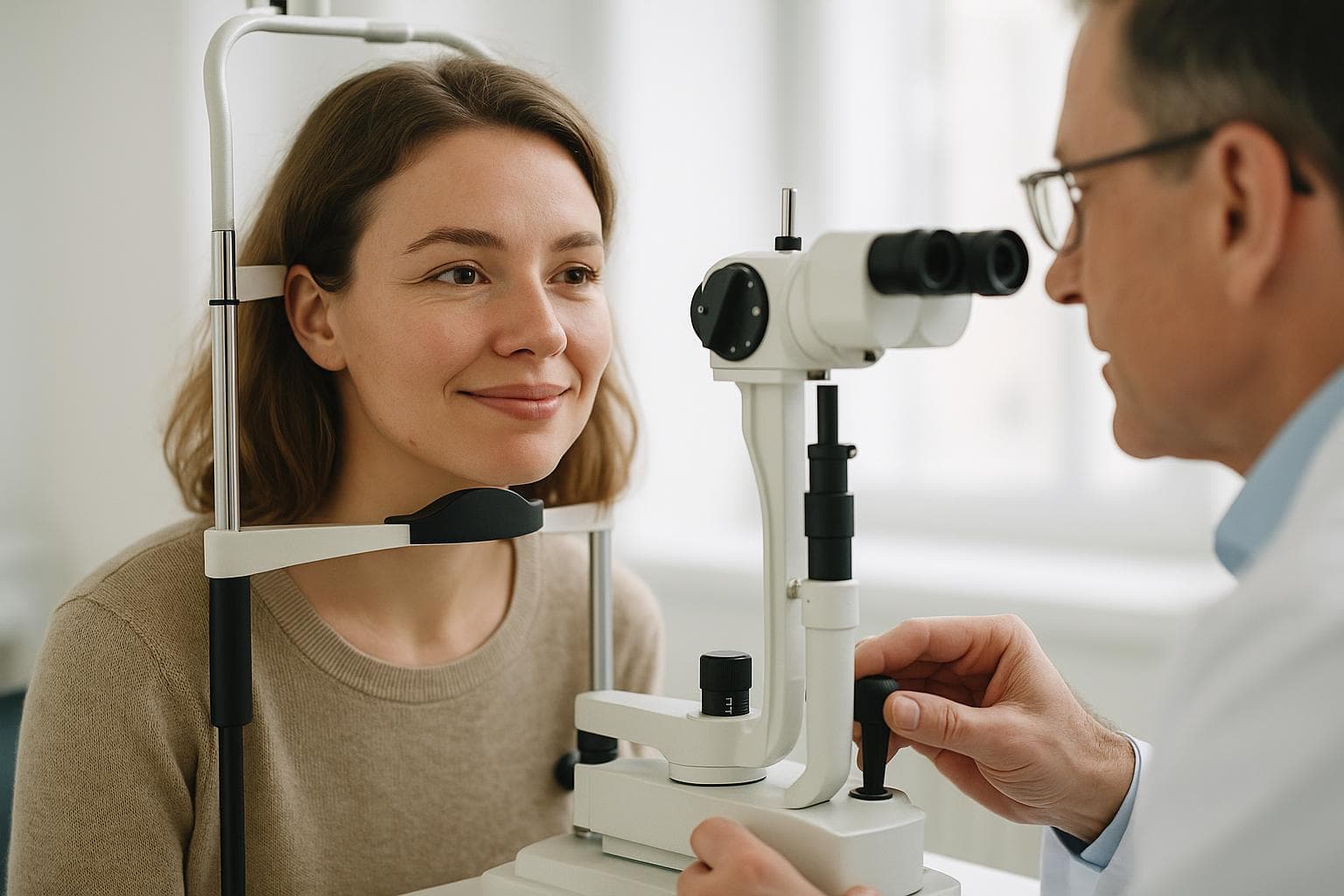
A proper work-up at our clinic isn't a ten-minute formality. We map your corneal thickness and topography, measure your pupil size in dim light, and check your tear film — the same tear film that decides how dry you'll feel afterward. If something looks borderline, we either treat it first (our dry-eye clinic exists for exactly this) or we choose a gentler path, like LASEK for a thinner cornea or ICL for a higher prescription.

Then — and this matters more than people realize — the same surgeon who examined and operated on you is the one who follows you afterward. At our clinic that's built in: a 1:1 dedicated surgeon and a lifetime surgery guarantee. Long-term safety isn't a single day in an operating room; it's having someone who knows your eyes for the years that follow.
That continuity is quietly one of the most protective things in the whole process. If a touch of dryness lingers longer than expected, or a faint halo bothers you on night drives, you're not explaining your history from scratch to a stranger — you're coming back to the surgeon who already knows your scans, your tear film and exactly what was done. Small issues get caught and managed early, before they become the kind of long-term complaint people fear. I've followed patients for years this way, and most "long-term side effects" turn out to be small things, handled calmly, by someone who was already watching.
So, should worry stop you?
Not necessarily — but it should make you choosy. The patients who do well over decades are overwhelmingly the ones who were genuinely good candidates and who were cared for honestly. The long-term risk isn't random; it's largely decided at the exam table.
That's also why I'll never give you a yes or no over the internet. Whether your eyes will tolerate LASIK well for the long haul depends on numbers I haven't measured yet.
Get an honest read on your own eyes
If you've been losing sleep over LASIK side effects long term, the most useful thing you can do is stop guessing from forums and get a real assessment.
Message us for free on our official WhatsApp or LINE — no appointment needed, and no sales pressure. Tell me your prescription, your age, whether your eyes already feel dry, and how you cope with night driving. I'll give you an honest sense of your risk profile, and if your eyes aren't well-suited to LASIK, I'll say so plainly and point you to a safer option.
Your eyes have to last you the rest of your life. Let's make a careful decision together.
— Dr. Kim Sun-young, Medical Director, Healing Eye Clinic
Frequently asked questions
Are LASIK side effects permanent?
Most are not. The common ones — some dryness, and glare or halos at night — typically settle over weeks to a few months as the cornea heals and your tear film recovers. A small number of people have longer-lasting dryness or night-vision symptoms. Permanent, sight-threatening problems are rare. Individual variation matters, and your pre-op exam is what flags who is more at risk.
Will my vision get worse again years after LASIK?
For most people the correction is stable. But LASIK doesn't freeze your eyes in time — your natural prescription can still drift slightly over many years, and presbyopia (reading-glass age) arrives in your 40s regardless of LASIK. That's not a complication; it's normal aging. If a drift is significant, a touch-up is often possible. The exam tells us how stable your prescription is now.
Does LASIK cause dry eye forever?
Usually not. Dryness is the most common early side effect because creating the flap temporarily affects corneal nerves, but those nerves recover and most patients are comfortable within a few months. If you already have meaningful dry eye, we treat it first and may suggest a gentler procedure. We don't operate on an eye that isn't ready.
What about night driving — halos and glare?
Some glare, starbursts or halos around lights at night are common early on and fade for most people. Larger pupils and higher prescriptions raise the chance of lingering night symptoms, which is exactly why we measure pupil size and can choose a custom, wavefront-guided treatment to reduce it. No surgeon can promise zero night symptoms.
How can I lower my long-term risk?
Two things matter most — a thorough exam to confirm you're truly a good candidate, and a surgeon who follows you afterward. Message us free on WhatsApp or LINE with your prescription and any symptoms you already have. If your eyes aren't a good fit for LASIK, we'll tell you honestly rather than push the surgery.
Message us on official LINE / WhatsApp for a special offer
Your exact candidacy and cost are confirmed in a free 1:1 consultation.