
Cataract Surgery in Korea for Parents: A Companion's Guide
Cataract surgery in Korea for parents: what to send before booking, what the companion does on exam and surgery day, consent, eye drops and checks at home.

Dr. Kim Sun-young, Director
Cornea · Glaucoma · Cataract
Contents
I'm Dr. Kim Sun-young, medical director of Healing Eye Clinic in Sinnonhyeon, Gangnam, Seoul. I was a clinical professor of cornea and cataract surgery at a university hospital, and I now see international families every week, with an interpreter in the room from the first measurement to the consent form.
Many of the messages about cataracts don't come from the patient. They come from a son or a daughter: "Dr. Kim, my mother's vision is getting cloudy. Can I bring her to Seoul, and what do I need to do?"
If you're searching cataract surgery in Korea for parents, you're probably the one organising everything. I understand. You're booking flights for someone who may walk slower, take more pills and worry more than you do.
So let me say the honest part first: the companion matters almost as much as the surgeon in the week around a parent's cataract surgery. Here is what I ask of families, in the order it happens.
Cataract surgery in Korea for parents: what to send before you book
Most surprises on exam day could have been caught by a message a month earlier. Four things change my plan for an older patient.
1. Every medicine, by name
Send a photo of every pill box and eye drop bottle. Blood thinners, diabetes medicines and certain prostate medicines matter for the operation and for how the eye heals.
Think of it like a pilot's checklist. I'd rather read twenty boxes than miss one.
2. Diabetes, blood pressure and glaucoma history
Uncontrolled diabetes affects healing and the retina. Glaucoma or macular problems can mean the result won't be as crisp as the family hopes, even with a perfect lens.
Tell us early. It doesn't always stop surgery, but it changes what I promise and which lens I suggest.
3. Past eye surgery and recent reports
Previous laser vision correction, eye injections or a recent eye report from home all help. Past laser surgery in particular changes how we calculate lens power.
4. How your parent moves and hears
Can they lie flat for a short time? Do they use a cane, wear a hearing aid, get anxious in clinics? None of these stop surgery. They help us plan the day so your parent isn't rushed.
A message with the medicine list, medical history, past eye surgery and how your parent moves lets us plan safely before you buy tickets — and avoids a wasted trip.
The overall surgery and lens decision is explained in my cataract surgery in Korea guide.
Why I want the family in the room — and the same doctor throughout
An older patient often nods along to keep things moving. A companion notices when "yes" means "I didn't hear you."
So I invite the family into the consultation. And the doctor who examines your parent is the doctor who operates and the doctor who checks them the next day. Your parent sees one face, not a relay of strangers.
What you can verify for yourself: international patients pay exactly what Korean patients pay. We hold 4.8 stars from 154 reviews on Google. I'm a full member of the European Society of Cataract and Refractive Surgeons (ESCRS).
Not to impress you — so that you have something to check.
So what does the companion actually do each day?
| Day | Your parent | You, the companion |
|---|---|---|
| Exam | Measurements, dilating drops | Bring the medicine list; repeat instructions calmly |
| Consultation | Lens options, risks explained | Ask what they'll see near and far; take notes |
| Consent | Signs after the interpreter explains | Make sure they understood, not just agreed |
| Surgery | Numbing drops, home the same day | Escort them; dilated eyes mean no reading signs |
| Next day | Check of lens, pressure, incision | Learn the drops schedule with us |
Dilated pupils make the world bright and blurry for a few hours. Hold their arm on stairs and street crossings.
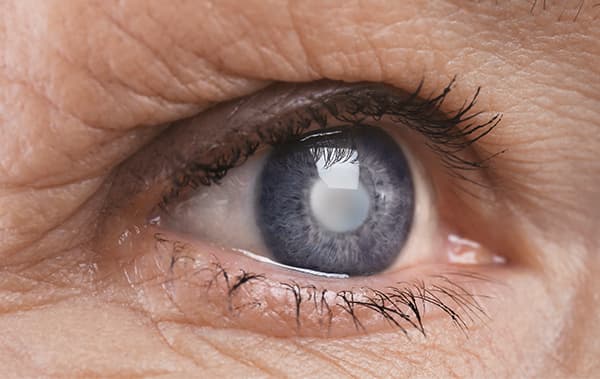
The lens decision. A monofocal lens is ₩1,250,000 per eye and gives clean distance vision, usually with reading glasses. Premium lenses that also cover near vision are priced per eye by type; the full list is on our price page, and the full exam is ₩150,000.
If your parent also wants to stop using reading glasses, read presbyopia and cataract surgery together and our presbyopia-cataract lens page before the trip. The standard procedure is on the cataract surgery page.
Side effects, and when I'd advise waiting
- Grittiness, watering and mild haze for the first days are common.
- Infection or inflammation is uncommon. The drops are what keep it that way, so missed doses matter.
- After-cataract can haze the vision months or years later; a short laser treatment clears it.
- Night glare, especially with multifocal lenses.
I advise waiting when the clouding is mild and daily life is still comfortable, when diabetes or blood pressure isn't controlled yet, or when the travel itself would exhaust your parent. Results and recovery vary from person to person.
The Korean head office has a plain explainer of what a cataract is if you'd like to show older relatives the basics.
Drops, flights and the checks at home
- Drops schedule: usually several drops a day for a few weeks. Write it on a chart and tick each dose. Many parents do best when the companion sets phone alarms.
- Don't rub the eye, and keep soapy water and dust out of it.
- Fly after the next-day check of the last eye — never on a date fixed in advance. How the days add up is in cataract surgery in Korea: how long to stay.
- Book the local follow-ups before you leave: one week, one month and three months, with the written record we give you.
- Know what's normal: a realistic day-by-day picture is in cataract surgery recovery time.
We're one minute from Sinnonhyeon Station, about 70 minutes from Incheon Airport. Our partner hotel is O'Cloud Hotel in Seocho.
Don't book the surgery yet — send the medicine list
If you take one thing from this page: the safest cataract trip for a parent starts with the boring paperwork, not the flight.
It doesn't have to be our clinic. But choose a surgeon who wants to see the medicine list before quoting a date, and who will tell you "not yet" if that's the truth.
Send us your parent's age, which eyes are affected, their medicines and any recent eye report on WhatsApp. If surgery isn't the right step for them now, I'll say so plainly.
I hope to meet you both in Seoul.
— Dr. Kim Sun-young, Medical Director, Healing Eye Clinic (Sinnonhyeon, Gangnam, Seoul)
Frequently asked questions
What should I send before booking cataract surgery for my parent?
Send a list of every medicine they take, any diabetes, blood-pressure or glaucoma history, past eye surgery or laser, and any recent eye report. These change both the plan and the timing, so we want them before you book flights.
Can I stay with my parent during the exam and consultation?
Yes, and I'd like you to. Many measurements need short instructions — look here, don't blink — and a familiar voice helps. In the consultation, you're the second pair of ears for the lens decision.
Who signs the consent form if my parent doesn't speak English or Korean?
Your parent signs, after the surgery and risks are explained with an interpreter. We have Japanese, Traditional Chinese and English interpreters on site; for other languages, tell us in advance so we can plan how the explanation will be given.
Is cataract surgery hard on an older person?
It is done under numbing eye drops, without an injection, and they go home the same day. Most people describe bright light and pressure rather than pain. Lying still for a short time is the main thing we ask of them.
What happens after we fly home?
We give you a written record of the surgery, the lens and the drops. The one-week, one-month and three-month checks can be done by a local ophthalmologist, and you can still message us with questions.
Should my parent choose a multifocal lens?
Not automatically. Multifocal lenses can reduce reliance on glasses, but some people notice night glare and need time to adapt. If the exam or their daily life doesn't favour it, I recommend a monofocal lens.
Message us on official LINE / WhatsApp for a special offer
Your exact candidacy and cost are confirmed in a free 1:1 consultation.