When Can I Get LASIK? Once Your Eyes Stop Changing
When can I get LASIK? Usually once you're 18+ and your prescription has held steady about a year. A Seoul cornea specialist explains who should wait.

Medically reviewed byDr. Kim Sun-young, Director· Medical Director
Edited by: Dr. Kim Sun-young
Contents
When can I get LASIK if my prescription moved again last year and I'm already looking at flights to Seoul? Most adults can go ahead once they're at least 18, their prescription has stayed put for about a year, their eyes are healthy, and they aren't pregnant or breastfeeding. Age opens the door, but stability is what sets the date.
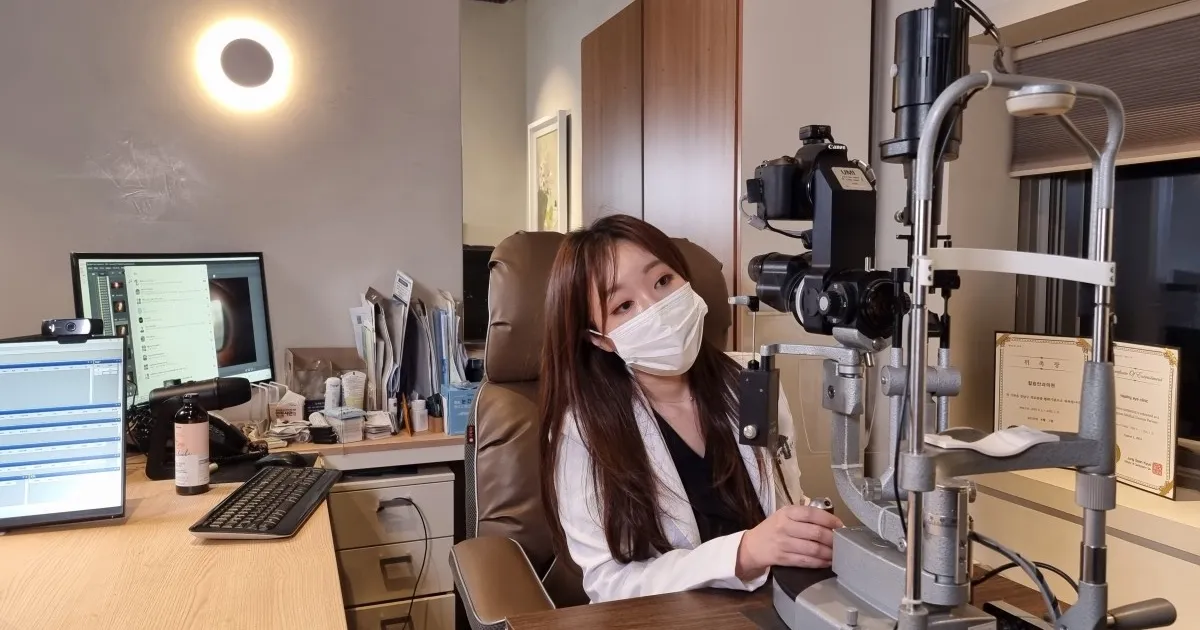
Hello, I'm Dr. Kim Sun-young, Medical Director at Healing Eye Clinic, an MOHW-registered institution for international patients one minute from Sinnonhyeon Station. Cornea is my field: I trained as an ophthalmology specialist at Catholic Medical Center and served as Clinical Professor (Cornea & Cataract) at Uijeongbu St. Mary's Hospital, so a timing question is, to me, a question about your cornea. For Clear SMILE LASIK and every other method we offer, one dedicated surgeon stays with you from the exam to aftercare, and a medical interpreter is with you at no extra charge.
If you have your last two or three glasses or contact lens prescriptions, take a photo with the dates showing and send it on WhatsApp along with the month you'd like to travel. Questions about prices, the interpreter or your schedule are free to ask there.
Why does age matter less than stability?
Most laser approvals start at 18, so that is the floor. The trouble is that nearsightedness often keeps creeping through the late teens and into the twenties, and laser correction is aimed at one number measured on one day. If that number moves next year, your result moves with it.
Think of hemming trousers for a teenager who is still growing. The stitching can be perfect and the length is still wrong by spring, except a cornea can't be let back out. So the figure I care about is change over time: a prescription that has barely moved across 12 months is one I can plan around.
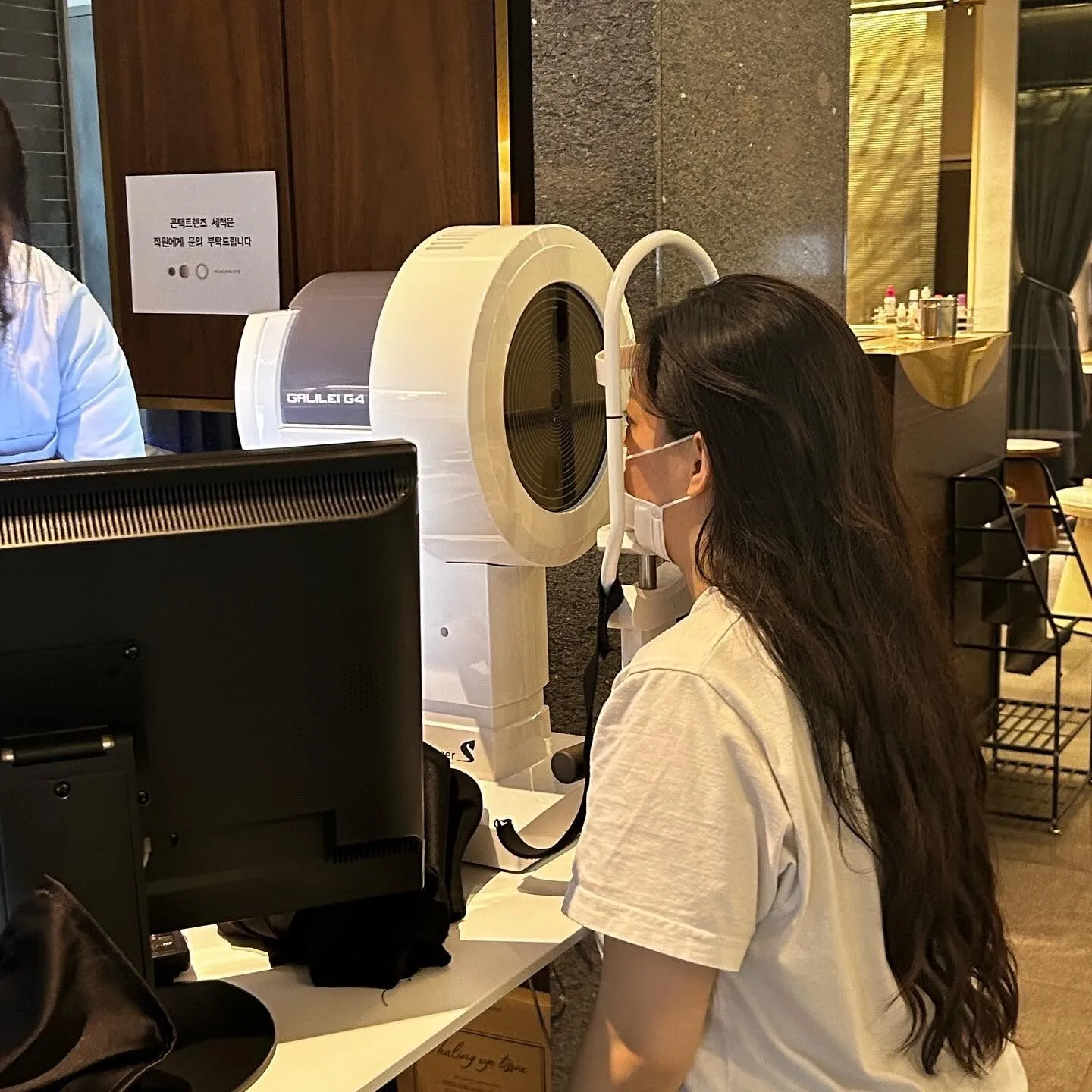
Here's something that saves a wasted trip. Before any consultation, ask your optometrist to print your last two or three prescriptions with their dates. One exam tells me where your eyes are today; three dated numbers tell me whether they've stopped moving. Old glasses help too, because their lens power can be read off them.
Contact lenses can blur that picture. They press lightly on the cornea and can change its shape, so they have to stay out for a while before the measurements count. Soft, toric and rigid lenses need different breaks, so ask at consultation how many days applies to your lenses and finish that break before you fly.
Ask whether this applies to your eyes, which dates are open, and about the English interpreter.
Ask us on WhatsAppWhen can you get LASIK if your prescription is still changing?
Not yet. If your glasses or contacts changed in the past year, the useful step is to wait, re-measure and compare.
A few things keep an adult prescription moving: myopia still progressing in the twenties, long hours of close work, hormone shifts, and blood sugar swings in diabetes that isn't well controlled, which change how the eye's own lens focuses. None of these rule you out for good. They push the date back until the numbers settle.
Pregnancy, medication and dry eye: reasons to wait a few months
The US FDA's list of situations where LASIK is a poor idea includes several that are about timing rather than anatomy: a prescription that changed in the past year, hormones shifting with pregnancy, breastfeeding or certain medications, and conditions that slow healing, such as some autoimmune diseases.
Pregnancy and breastfeeding are the clearest example. The cornea can hold a little more fluid and the prescription can shift, then drift back once things settle. Measure during that time and the laser corrects a temporary number. Once breastfeeding has ended and a fresh measurement matches the one from before the pregnancy, the date opens again.
Dry eye and dry eyes: what to watch for
Dry eye is more often a reason to wait than a final no. Inflamed lid margins, a tear film that breaks up quickly, or eyes that feel gritty by evening tend to get worse for a while after laser correction, and severe dry eye is often treated first, then measured again. If that sounds like you, I've written about whether LASIK is possible with dry eyes.
What if my cornea is thin or my prescription is very high?
Some exam findings don't mean wait. They mean a different method.
A thin cornea, or a topography map that shows irregular steepening or early signs of keratoconus, makes me cautious about removing more tissue; LASEK or an implantable lens (ICL) may be the safer route there. Very high nearsightedness is often better served by ICL, which places a lens inside the eye and leaves the cornea's thickness as it is. If Clear SMILE or LASIK isn't right for your eyes, I'll say so clearly and explain the alternatives, as I set out in what to do when LASIK is a no.
Risks and side effects to know
Each alternative has its own trade-off. LASEK usually means a few uncomfortable days while the surface heals and a slower start to clear vision. ICL is surgery inside the eye, so in some cases it carries risks such as raised eye pressure or earlier cataract, which is why it needs regular check-ups.
If you had LASIK or LASEK years ago and your vision has drifted, the question becomes how much cornea remains and why the drift happened. We run a dedicated revision center for that situation, and your old surgery records matter as much as today's numbers.
When can I get LASIK if I'm already in my late 40s?
There is no upper age on paper. What changes after 40 is the eye's own lens: it stiffens, reading up close gets harder (presbyopia), and in some people it starts to cloud.
Say you're 47, an accountant in Brisbane, about -4.00 in both eyes, and you've started taking your glasses off to read your phone. Correcting both eyes fully for distance would give you clear driving and, very likely, reading glasses for the spreadsheets. That trade suits many people. Others prefer a presbyopic laser plan that aims to keep some near vision and accept a small compromise at distance.
What would change my advice is the lens itself. If the slit lamp shows early clouding, spending cornea now may make less sense than waiting for lens surgery that can address presbyopia and cataract together. At 47 that might be years away, or it might not. The exam answers that, not the birthday.
Dryness, glare and regression: what can go wrong and who should wait
On surgery day, a foreign-body feeling and sensitivity to light are common and usually ease quickly. Over the following weeks, dryness is the reaction most people notice; artificial tears help, and it typically settles within a few months. Glare, halos or starbursts around lights at night can appear early and generally fade as the eye heals, though large pupils make them more likely.
Less often, the correction lands slightly under or over target, or nearsightedness creeps back over the years (regression), sometimes enough to consider a second treatment if enough cornea remains. Infection is rare but serious, which is why the drops matter. How strongly any of this shows up varies from eye to eye.
As general guidance, hold off for now if any of these apply:
- your prescription changed in the past 12 months
- you're pregnant, breastfeeding, or taking medication that shifts your focus
- you have untreated dry eye or lid inflammation
- your cornea is thin or irregular, or shows signs of keratoconus (a different method may suit)
- you have diabetes or an autoimmune condition that isn't well controlled
Before you leave Seoul, we prescribe enough post-op medication to take home and explain the ingredients so you can find alternatives locally if needed. You can check in with us by email or video call, and if you need local care, we provide a referral letter for your eye doctor at home. Sudden pain, a drop in vision, or redness that keeps building are reasons to see an eye doctor that same day and to message us as well.
Fitting the date into a Seoul trip
Once the numbers are stable, the calendar is the easier part. For Clear SMILE LASIK, the exam is in the morning, surgery is in the afternoon and the check-up is the next day, so if your exam results allow it, the whole thing fits into two days. A third day makes the trip less tight. Flying is allowed from the day after surgery once that check-up is done, and flying after LASIK covers the cabin details.
Our hours shape the plan: Monday to Thursday 10:00–18:30, Friday until 21:00, Saturday 10:00–14:00, closed Sundays and holidays. A Thursday-night arrival with exam and surgery on Friday leaves Saturday morning for the check-up. A Saturday-afternoon arrival, on the other hand, means waiting until Monday for the exam.
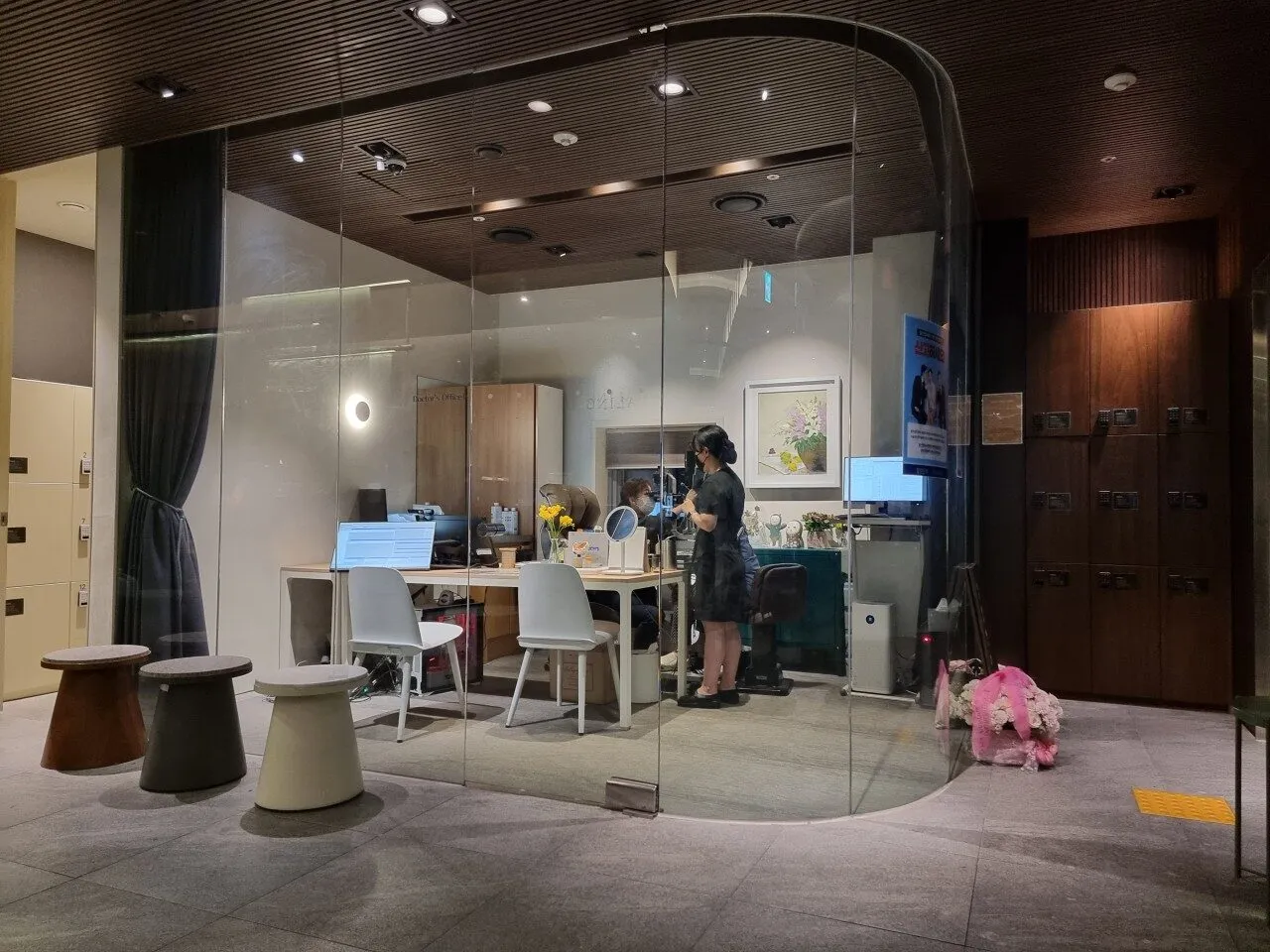
Our partner hotel is O'Cloud Hotel in Seocho-gu. Deposit and payment method are settled after the consultation, so they're worth asking about on WhatsApp once you have dates. If budget is also shaping your timing, what a Gangnam LASIK quote includes and what changes it walks through the factors. Our main Korean site also has its own Clear LASIK page.
What to ask any clinic before you set a date
In short, it doesn't have to be us. Wherever you book, these questions show whether your date is being set by your eyes or by a calendar:
- Does the exam measure corneal thickness, topography and the tear film before a method is named?
- Will the doctor who examines you also operate and see you at the check-ups?
- What would make them tell you to wait a year?
- Do international patients pay the same as local ones?
- Is a medical interpreter there, and is there an extra charge?
- Once you're home, what medication goes with you, how do you check in, and will you get a letter for your own eye doctor?
Our English consultation page has our price table and exam packages if you'd like to hold them up against this list.
LASIK Revision Surgery in Korea: What the Exam Must Show go further into what usually comes next.
Where I stand on timing
My view is plain. I'd rather you wait a year than be treated against a target that is still moving, and I don't recommend any surgery for its own sake: I choose with you, from your exam data, the method that fits your eyes and your life. None of this has to be decided this month.
We're at 470 Gangnam-daero, 10–11F, Gangnam-gu, Seoul. Your date comes down to how still your numbers have been and how much cornea your topography shows you can spare. On WhatsApp, send the dated prescriptions and, if you've had eye surgery before, a photo of the old records, then ask whether to plan the trip this year or re-measure first.
— Dr. Kim Sun-young, Medical Director
Frequently asked questions
Can I get LASIK at 18?
Most laser approvals start at 18, so it's the lower limit, not a green light. Between 18 and the early twenties, nearsightedness often still drifts. If your last two prescriptions differ, plan to re-measure in a year rather than book now.
How long should I stop wearing contacts before the LASIK exam?
Soft lenses usually need a shorter break than toric or rigid gas-permeable lenses, which reshape the cornea more. Ask at consultation for the number of days that applies to your lens type, and time the trip so the break is finished before you land.
How long after giving birth or breastfeeding can I get LASIK?
Wait until breastfeeding has ended and your prescription has had time to settle. Many surgeons look for a few months after weaning and a new measurement that matches the one from before pregnancy. If the two don't match, the date moves.
Can I have LASIK again if my first surgery was years ago?
Sometimes. What decides it is how much cornea remains and why your vision drifted, which may be regression or a change in the eye's own lens. Healing Eye runs a dedicated revision center, and your old surgery records help a great deal.
Can I send my prescriptions before deciding on a trip?
Yes. You can send any exam records or photos you have, and we can give a first opinion on suitability by video or online consultation. The method and date are then confirmed by the full exam in Seoul.
Is there a better time of year for LASIK?
There's no medical season for it. What matters more is the weeks right after: avoid booking surgery just before a beach holiday or a long-haul trip with dry cabin air, and keep artificial tears with you whatever the month.
Questions about your own case or available dates? English interpreter on site.
Ask us on WhatsAppMessage us on official LINE / WhatsApp for a special offer
Your exact candidacy and cost are confirmed in a free 1:1 consultation.