Korean LASIK Alternative: What to Do When LASIK Is a No
Looking for a Korean LASIK alternative? A Seoul eye surgeon explains when LASEK, SMILE or ICL fits after a LASIK 'no', and how the exam decides it.

Dr. Kim Sun-young, Director
Cornea · Glaucoma · Cataract
Contents
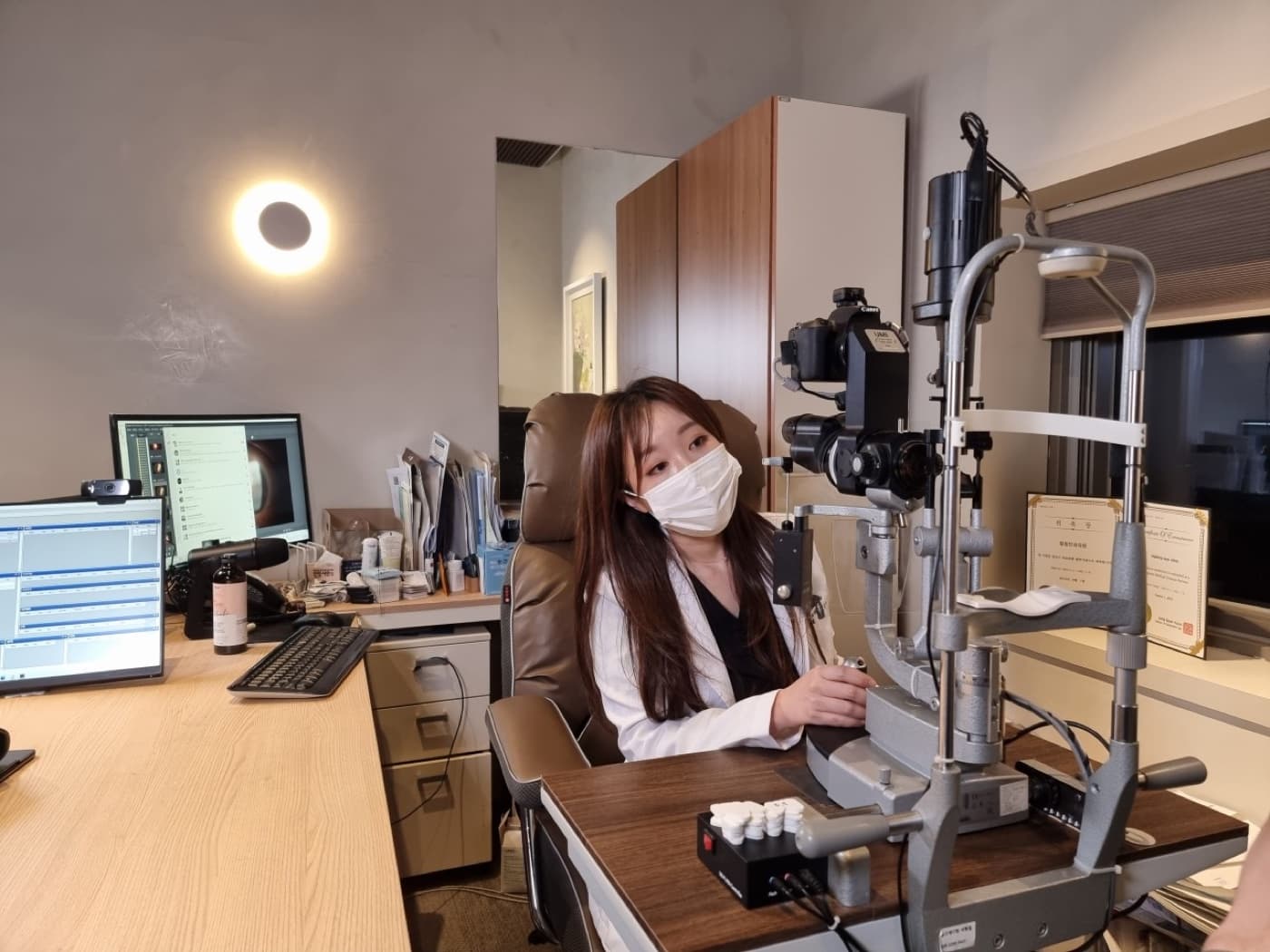
I'm Dr. Kim Sun-young, medical director of Healing Eye Clinic in Sinnonhyeon, Gangnam, Seoul. I was a clinical professor of cornea and cataract surgery at Uijeongbu St. Mary's Hospital, and every week I examine patients from abroad with an English interpreter in the room.
A surprising number of them start the same way: "Dr. Kim, I was told I'm not a LASIK candidate. Is there anything else, or should I give up?"
If you've searched for a korean lasik alternative, you've probably heard a "no" somewhere. I understand how deflating that is — especially after years of contacts.
So let me say this first: a LASIK "no" is usually a "not this method," not a "not you." The reason you were turned down points straight to what might work instead. Here's how I sort it in clinic.
Why was LASIK ruled out? Four common reasons, four different directions
LASIK lifts a flap and reshapes the tissue underneath. It needs enough cornea, a stable surface and an eye that won't take hard knocks. When one of those fails, the alternative depends on which one.
1. "Your cornea is too thin"
A flap uses up corneal thickness before the laser even starts. Take the flap away and more cornea stays behind.
That's LASEK: surface correction with no flap. With a moderate prescription, LASEK is often the answer to a thin cornea. The honest cost is a slower first week — the first three to five days are the most uncomfortable.
2. "Your prescription is too high"
Here the problem isn't the flap, it's how much tissue would have to go. Like trying to carve a big sculpture from a thin plank, there isn't enough material.
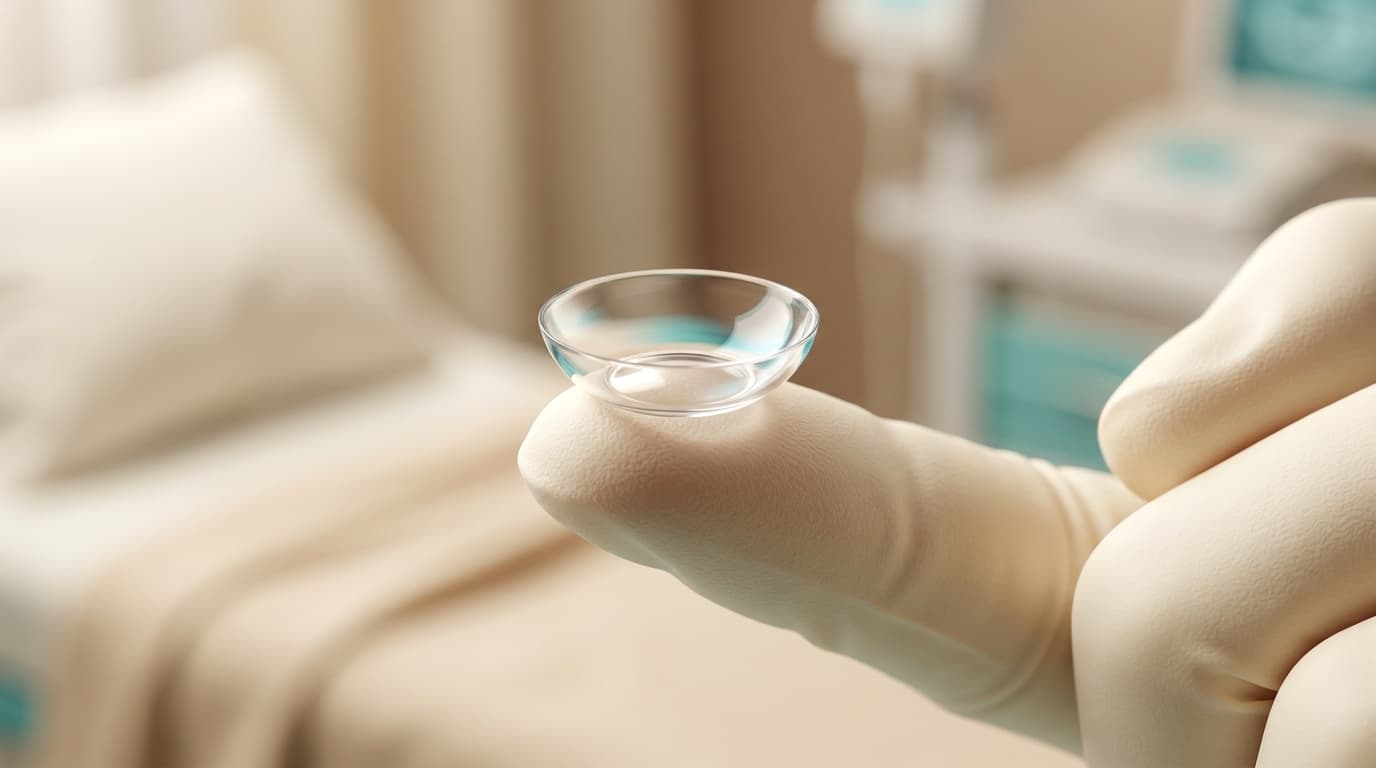
For very high myopia — often beyond −10D — ICL is usually safer. The lens sits inside the eye, between the iris and your natural lens, and the cornea is not reshaped at all.
3. "Your eyes are too dry"
The first step isn't a different surgery — it's treating the dry eye. Operating on an unstable tear film blurs the very measurements we rely on.
Once the surface is stable, SMILE, which works through a 2–4mm opening with no flap and disturbs fewer corneal nerves, or ICL, which leaves the cornea alone, are often gentler. Severe dry eye can still mean waiting.
4. "Your sport or job is risky for a flap"
A flap edge stays for life. For contact sports, the military or police, flapless methods — LASEK or SMILE — remove that worry.
The reason LASIK was ruled out tells you where to look: thin cornea → LASEK; very high prescription → ICL; dry eye → treat first, then SMILE or ICL; impact risk → LASEK or SMILE. The exam confirms which one is safe for you.
My full LASIK checklist is in am I a candidate for LASIK.
Why one surgeon should compare all the options for you
This is the principle I care about most here.
A clinic that is strong in only one procedure tends to see every eye through it. At our clinic, the same doctor who examines you weighs LASIK, LASEK, SMILE and ICL, operates, and checks you afterwards — and the price is the same for you as for Korean patients whichever I recommend, so the choice isn't pulled toward the more expensive one.
Two things you can check. International patients pay exactly what Korean patients pay. We hold 4.8 stars from 154 reviews on Google, and I'm a full member of the European Society of Cataract and Refractive Surgeons (ESCRS).
I'm not listing these to impress you — only so you have something to verify.
So which alternative fits my eye?
A rough map. Your measurements give the real answer.
| Why LASIK was a no | Usually look at |
|---|---|
| Thin cornea, moderate prescription | LASEK |
| Very high prescription or very thin cornea | ICL |
| Dry eye (after treatment) or impact risk | SMILE or ICL |
How ICL and LASIK compare head to head is in ICL or LASIK, and the two flapless-versus-flap lasers in SMILE vs LASIK. If LASEK is where you're leaning, read LASEK in Korea.
Price. Our published figures for the main alternatives:
| Procedure | Price (KRW) |
|---|---|
| Full pre-op exam | ₩150,000 |
| Premium LASIK & LASEK (both eyes) | ₩1,990,000 |
| EVO ICL (both eyes) | ₩5,500,000 |
Why SMILE has no fixed figure here
We quote SMILE after the exam, because it depends on your prescription, astigmatism and corneal measurements. International patients pay the same as Korean patients. The full list is on our price page.
When none of the alternatives is right
This part matters as much as the options.
- Signs of keratoconus on the corneal map rule out laser correction; we look at other routes or hold off.
- A prescription still changing means waiting, whatever the method.
- A shallow anterior chamber or low endothelial count can rule out ICL too.
Every option carries its own after-effects: temporary dryness, night glare and halos, a small residual prescription or regression, and for ICL, long-term checks of eye pressure and endothelial cells. Results vary from person to person. The Korean head office describes our laser platform on its Clear LASIK page.
Planning the trip once you know the direction
- SMILE: at least three nights (exam, surgery, next-day check); four recommended.
- LASEK: about one week — no flying before the protective lens comes out.
- ICL: at least three nights, plus one to two days if the lens is ordered.
- Stop contact lenses first: at least a week for soft lenses, longer for rigid ones.
- We're one minute from Sinnonhyeon Station, about 70 minutes from Incheon Airport.
Don't pick the alternative yet — bring the reason for the no
If you take one thing away: the most useful thing you can send me is why you were turned down, not which procedure you want.
It doesn't have to be our clinic. But choose a surgeon who compares every option on your own numbers and will tell you if the right answer is "none of them, for now."
Send us your prescription, your age, and what the previous clinic told you on WhatsApp. If no surgery is right for your eyes, I'll tell you plainly.
I hope to see you in Seoul.
— Dr. Kim Sun-young, Medical Director, Healing Eye Clinic (Sinnonhyeon, Gangnam, Seoul)
Frequently asked questions
What are the alternatives to LASIK in Korea?
The main alternatives are LASEK, SMILE and ICL. LASEK reshapes the corneal surface with no flap, SMILE removes a thin lens of tissue through a small opening with no flap, and ICL places a lens inside the eye without reshaping the cornea.
My cornea is too thin for LASIK. What can I do?
It depends on how thin and how high your prescription is. With a moderate prescription, LASEK often preserves enough cornea; with a very high prescription or very thin cornea, ICL is usually the safer route because it leaves the cornea untouched.
I have dry eye. Is there an alternative to LASIK?
Dry eye is usually treated first, before any surgery. Afterwards SMILE, which disturbs fewer corneal nerves, or ICL, which leaves the cornea alone, are often gentler options — but severe dry eye can mean waiting.
Is an alternative to LASIK more expensive?
It depends on the procedure. At our clinic Premium LASIK & LASEK is ₩1,990,000 for both eyes and EVO ICL is ₩5,500,000; SMILE is quoted after the exam. International patients pay the same as Korean patients.
Can someone rejected for LASIK always get another procedure?
No. Keratoconus signs, an unstable prescription or a shallow anterior chamber can rule out several options at once. In that case the honest answer is to wait or keep glasses and contacts, and I will say so.
How long do I need to stay in Korea for each option?
SMILE needs at least three nights, with four recommended. LASEK needs about a week because you cannot fly before the protective lens comes out. ICL needs at least three nights plus one to two days if the lens is ordered.
Message us on official LINE / WhatsApp for a special offer
Your exact candidacy and cost are confirmed in a free 1:1 consultation.