After Laser Eye Surgery Can I Watch TV? Screen-Time Mistakes
If you're asking after laser eye surgery can I watch TV, the usual answer is yes, in short sessions; here are the screen mistakes that slow healing.

MS, Catholic Univ. College of Medicine · Ophthalmology specialist, Catholic Medical Center · Clinical Professor (Cornea & Cataract), Uijeongbu St. Mary's Hospital · 108th Korean Ophthalmological Society Research Award · KDCA epidemiology citation
Medically reviewed byDr. Kim Sun-young, Director· Medical Director
Edited by: Dr. Kim Sun-young
Contents
After laser eye surgery can I watch TV in the hotel that night, or will a few episodes set back the eyes I just flew to Seoul to fix? For SMILE and LASIK, usually yes: most people can watch TV from the evening of surgery or the next day, in short stretches with full blinks and lubricating drops, while after LASEK screens tend to feel uncomfortable for the first few days.
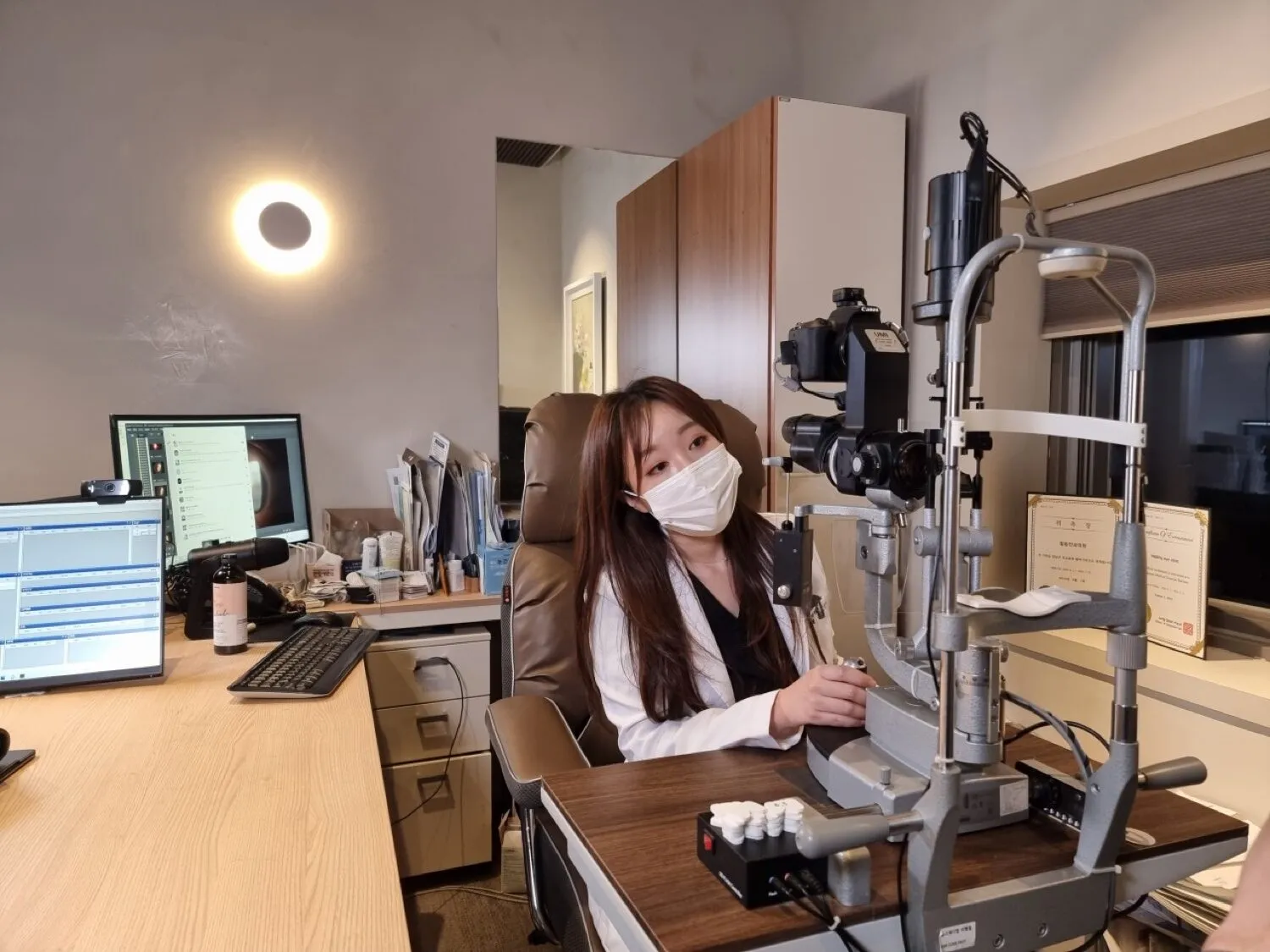
Hello, I'm Dr. Kim Sun-young, Medical Director of Healing Eye Clinic in Gangnam. I trained in ophthalmology at the Catholic Medical Center and was a clinical professor of cornea and cataract at Uijeongbu St. Mary's Hospital, and the surface of the cornea, the part a screen dries out, is my field. For Clear SMILE, the same surgeon handles your exam, surgery and aftercare, the check-up comes the day after surgery and before a long flight, and a medical interpreter for English joins your consult at no extra charge.
If you're mid-recovery and the screen already stings, or you're still choosing dates, send the type of surgery and its date (or the dates you have in mind) on WhatsApp, with your question about how much screen time those days can take. The WhatsApp consultation is free.
How soon can you watch TV after SMILE, LASIK or LASEK?
For SMILE and LASIK, light TV is usually fine from the evening of surgery or the next day. For LASEK, plan on a few days before screens feel comfortable, because the surface layer of the cornea has to grow back first.
| Surgery | When screens usually feel comfortable | What limits it early on |
|---|---|---|
| SMILE (Clear SMILE here) | Back to daily life in 1–2 days | Dryness, light sensitivity |
| LASIK | Normal indoor activities from day 1 | Grit, watering, light sensitivity |
| LASEK | Once the surface heals, often several days | Soreness, blur, light sensitivity |
On surgery day the eyes are watery and a little foggy, and a foreign-body feeling or sensitivity to light is normal. The TV itself doesn't harm the cornea at that point. It makes you stare, and staring is what the first night can do without. Close your eyes, use the drops you're given and sleep; the next day, after your check-up, a show in the hotel room is fine.
Ask whether this applies to your eyes, which dates are open, and about the English interpreter.
Ask us on WhatsAppWhy a screen dries a healing eye
When you concentrate on a screen, you blink far less than normal, and many people half-blink, closing the lids only part of the way. A full blink spreads a fresh tear film and squeezes oil from the glands along the lid, and that oil slows evaporation. Hold your eyes open for long stretches and the tear film breaks up, which you feel as stinging and grit.
Laser surgery adds a second, temporary problem. The corneal nerves that tell your eye to make tears are disturbed for a while, so tear production can drop before the eye feels especially dry. Clear SMILE removes a thin lens of tissue through one small incision, which keeps more of the corneal structure and nerves, and post-op dry eye is relatively less likely than with standard LASIK. Relatively less likely still leaves most eyes gritty after a two-hour film with no breaks on day two.
Four screen mistakes that slow the first week
None of these will undo the surgery. They make the first week more uncomfortable than it needs to be, and one of them can do more than that.
Watching through the fog on surgery night
Squinting to sharpen a blurry picture keeps the eyes open and drying. Give that evening to rest instead: a podcast or an audiobook fills the same hour without asking anything of your eyes.
Swapping the TV for a phone in bed
A phone sits close, the room is dark, and blinking drops further than it does with a TV across the room. If you want a screen in the first days, choose the TV, sit back from it, and keep a lamp on so the screen isn't the only light.
Ten hours of in-flight films with no drops
Cabin air is dry, so use artificial tears often during the flight. This is the screen session people underestimate most. Watch one film, close your eyes for a stretch, and keep the drops in the seat pocket rather than in the overhead bin, where you won't reach for them.
Rubbing when the eyes feel gritty
Grit in the middle of an episode is when people rub without thinking. Pause the show, put in a drop and close your eyes for a minute. Rubbing a healing cornea is the one habit on this list that can do more than cost you comfort.
Say you're 29, have Clear SMILE on a Friday afternoon after a morning exam, come back for the check-up on Saturday morning, and fly home to Vancouver that night with ten hours ahead of you. Friday evening is for rest. Saturday afternoon can hold a show or two in the hotel, with breaks. The flight is the real test, and I'd spend its first hours asleep, then watch in shorter blocks with drops in between. If you're traveling alone, what you can and can't manage on a solo trip covers the parts a companion would otherwise help with.
Are halos around the TV at night normal?
In the first weeks, yes, for many people. A soft glow or halo around bright objects is a common temporary effect after laser surgery, and a bright TV in a black room is where you'll notice it most. A lamp beside the screen softens it.
Vision can also shift through the day, sharper in the morning and softer by evening as the tear film thins. A fresh drop often clears that for a while. For many people the cornea and vision settle into a stable phase around the first month, and the evening haze fades along with it.
Which symptoms mean you should stop watching and get checked?
Stop the screen and get in touch the same day if pain builds instead of easing, if vision drops after it had been improving, or if redness, discharge or light sensitivity gets worse. The US Food and Drug Administration gives LASIK patients the same advice: contact your eye doctor right away, without waiting for the scheduled visit, if pain is severe or vision or other symptoms get worse instead of better.
The usual temporary reactions are dryness, grit, watering, light sensitivity and halos. Grit and watering mostly fade within days, halos over weeks, and dryness can come and go for longer. How long each lasts varies from person to person.
Some eyes are better left alone for now. Severe dry eye, progressing keratoconus, pregnancy or breastfeeding, or a prescription that is still changing are reasons to postpone surgery or stabilize the eyes first.
If a warning sign appears once you're home, see a local ophthalmologist that day and bring your surgery record so they know what was done. The surgeon who examined you and operated is the same one who handles your aftercare here, so that record and your follow-up stay in one place.
How much screen time once you're back at work?
Most people are back at a desk within the first week, sometimes within a couple of days after SMILE. The question at that point usually sounds like this: after laser eye surgery can I watch TV like before, and work a full day on a monitor? For most people, by the end of the first month, yes, with a few changes to the desk.
- Every 20 minutes, look at something across the room for 20 seconds and blink fully a few times.
- Set the monitor a little below eye level, so your lids cover more of the eye.
- Turn air-conditioning and heater vents away from your face, and run a humidifier if the office is dry.
- Put a drop in before the eyes feel dry, not after.
If screens still tire your eyes after a month, that deserves a check rather than more drops. Our Dry-Eye Clinic looks for the cause and treats it with programs such as IPL and meibomian-gland care. For the rest of the routine at home, from showers to makeup and exercise, see what to expect from laser eye surgery aftercare at home. The Healing Eye Clinic English homepage has the clinic's hours and contact options. If you read Korean, our main site's Clear SMILE page in Korean covers the procedure in more depth.
Aftercare questions worth asking any clinic before you book
Wherever you have surgery, these four answers shape how the screen-heavy first days go. You don't have to choose us; ask every clinic you're considering the same four things.
- Will the doctor who examines me also operate and follow up? Here, one dedicated surgeon covers your exam, surgery and aftercare.
- Is a check-up scheduled before my flight? Here, for Clear SMILE, the check-up is the day after surgery, and flying is allowed from that day.
- Will I understand my results and aftercare instructions? Here, we review your results together in your own language, with an interpreter.
- Is the clinic registered to treat international patients? Healing Eye is an MOHW-registered medical institution for international patients.
To see where that check-up sits around the operation itself, what happens during SMILE eye surgery in Korea goes through the day from exam to surgery.
Where I stand on screens after surgery
I recommend surgery, and the aftercare that comes with it, from your exam data and the way you live, and that includes how many hours a day you spend in front of a screen. If you edit video or game every evening, that belongs in the conversation from the exam room on. I also won't hand you a stricter screen rule than your eyes need.
What settles your screen time in the first days is how quickly your tear film recovers after the surgery you have, so the type of surgery and its date tell more than any general rule.
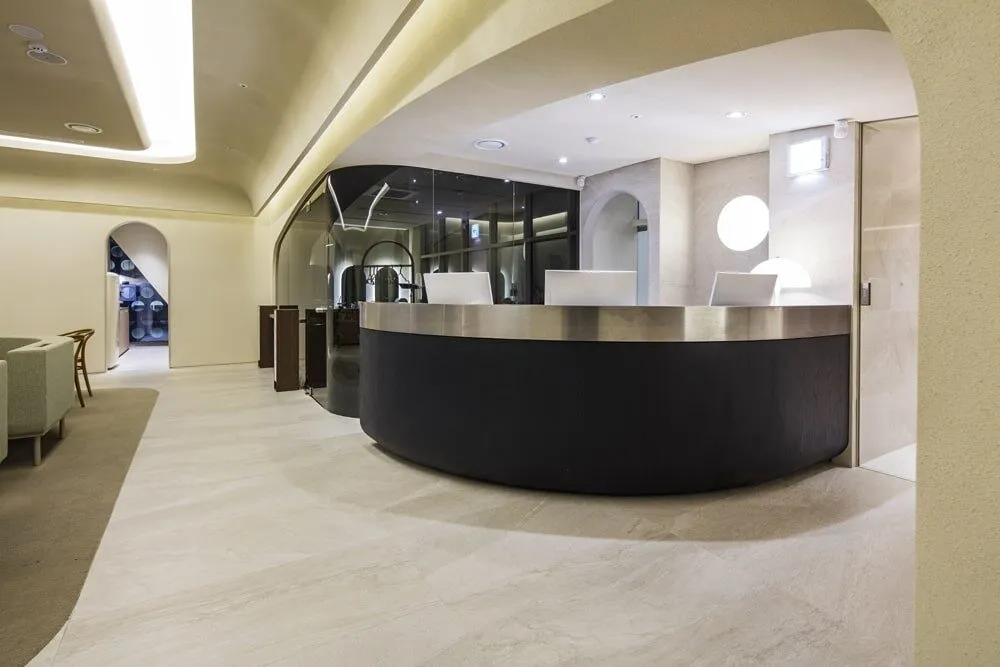
The clinic is at 470 Gangnam-daero, 10–11F, Gangnam-gu, Seoul, a one-minute walk from Sinnonhyeon Station. Send the type of surgery and its date, or the dates you're considering, on WhatsApp, and ask how much screen time fits your first days and your flight home; if you're already home in week two and screens still sting, send the same and ask whether it's dry eye worth checking. The WhatsApp consultation is free.
— Dr. Kim Sun-young, Medical Director
Frequently asked questions
Can I go to the cinema in the week after surgery?
Usually yes, once the first few days have passed and your eyes feel comfortable. The dark room makes halos easier to notice, and a long film means long stretches without full blinks, so put a drop in before it starts and close your eyes for a moment halfway through.
Is blue light from a TV or phone bad for a healing cornea?
There is no good evidence that screen light damages a healing cornea. The trouble with screens after surgery is reduced blinking. If you're light-sensitive, a night mode or lower brightness makes a screen easier to look at.
Can I play video games after SMILE?
Fast games hold your gaze harder than a TV show, so blinking drops further. In the first days treat them like the phone: short sessions, drops within reach, and stop when the eyes feel gritty. Past the first week, if your eyes are comfortable, normal sessions with breaks are usually fine.
Should I wear sunglasses indoors to watch TV if light bothers me?
Indoors, turning the screen brightness down and leaving a lamp on usually works better than sunglasses, which dim the whole room and make the screen harder to read. Outdoors in the first days, sunglasses help with glare and wind.
Can I keep using my usual eye drops for screen dryness?
Use the drops prescribed or recommended after your surgery. Some over-the-counter drops, such as redness relievers or drops with preservatives used many times a day, are not suited to a healing cornea. Bring your usual brand to the check-up and ask before switching.
Questions about your own case or available dates? English interpreter on site.
Ask us on WhatsAppMessage us on official LINE / WhatsApp for a special offer
Your exact candidacy and cost are confirmed in a free 1:1 consultation.