EVO ICL vs LASIK Recovery Differs in 3 Ways After Day One
EVO ICL vs LASIK recovery looks alike for a day or two. The differences come in the first month and in the years of check-ups that follow.

MS, Catholic Univ. College of Medicine · Ophthalmology specialist, Catholic Medical Center · Clinical Professor (Cornea & Cataract), Uijeongbu St. Mary's Hospital · 108th Korean Ophthalmological Society Research Award · KDCA epidemiology citation
Medically reviewed byDr. Kim Sun-young, Director· Medical Director
Edited by: Dr. Kim Sun-young
Contents
Worried that a lens implant will keep you in Seoul longer than a laser would, on a trip already squeezed into a few days of leave? Compare EVO ICL vs LASIK recovery and the first days look much the same: for most people vision is back by the next morning, and daily life resumes in 1–2 days. The differences arrive after that, in how careful the first month has to be and in the check-ups that follow for years.
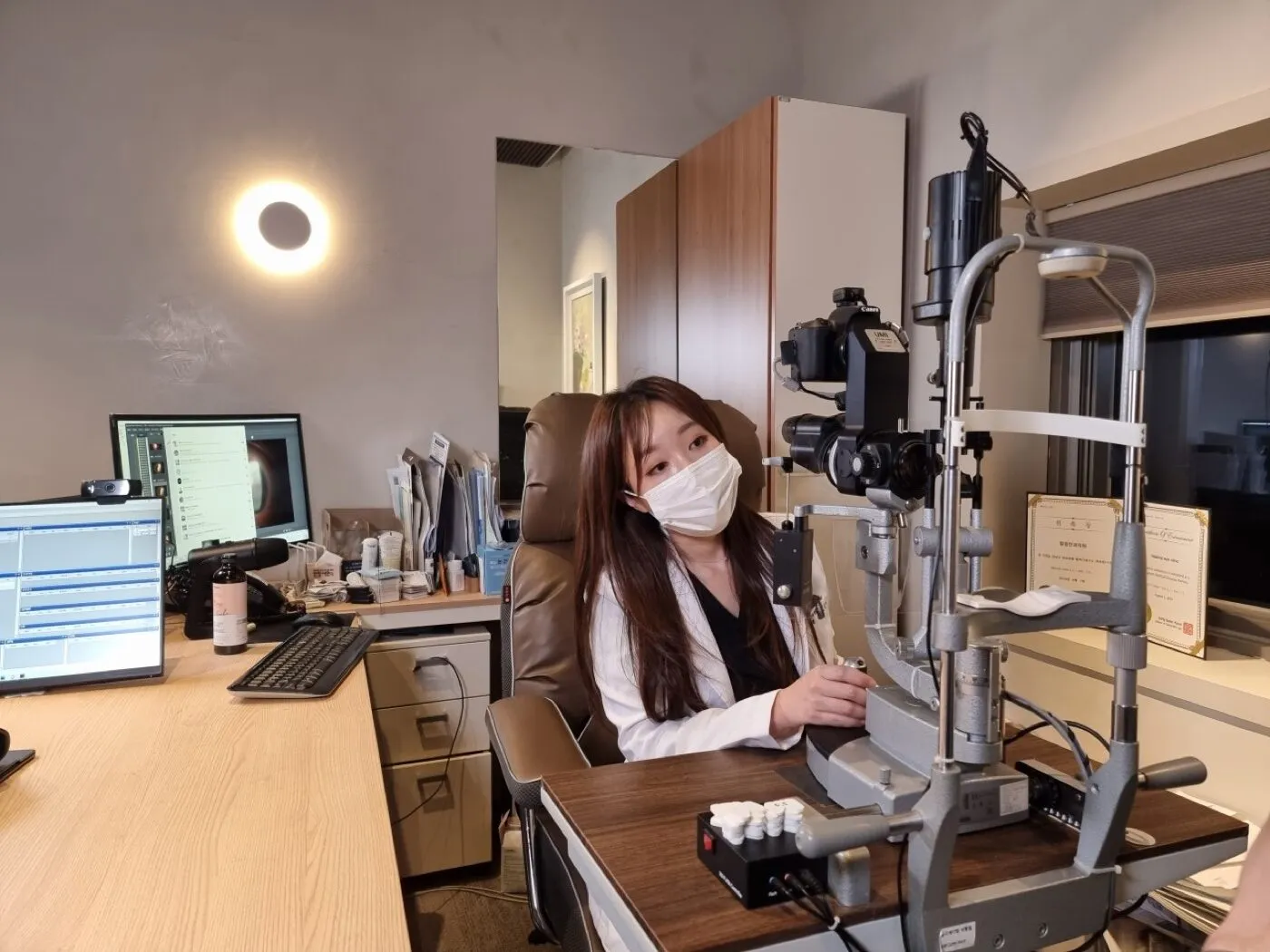
Hello, I'm Dr. Kim Sun-young, Medical Director at Healing Eye Clinic in Gangnam. My background is the cornea: I've held a clinical professorship in cornea and cataract at Uijeongbu St. Mary's Hospital, and the ICL-or-laser question usually starts with how much cornea your prescription would use up. Here the surgeon who examines you is the one who operates and follows you afterward, a medical interpreter for your language comes at no extra charge, and we're registered with the Ministry of Health and Welfare as a medical institution for international patients.
On the laser side we offer 1day LASIK and Clear SMILE LASIK; the lens option is EVO ICL.
If you're still choosing, send a photo of your latest prescription or eye-exam printout on WhatsApp with one question: which of the two recoveries fits the days I have? The WhatsApp consultation is free. Already had one of these surgeries and now back home? The same photo with your surgery date is a good place to start.
What heals after a laser, and what heals after a lens?
LASIK reshapes the cornea itself. A thin flap is made, the laser removes tissue underneath to change the curve, and the flap is laid back down. In the first hours that flap settles into place. Over the following months the corneal nerves that were cut grow back, which is why dryness is the slow part of laser recovery.
EVO ICL leaves the shape of the cornea alone. A soft, folded lens goes in through a small incision and opens behind the iris, in front of your own natural lens. Nothing has to grow back. What matters instead is that the lens sits where it should and that fluid inside the eye keeps draining, which is why lens position and eye pressure are what I check after ICL.
Here's the picture I find useful. LASIK is like regrinding the front window of a camera: the glass needs its surface to settle and its fine wiring to reconnect. ICL leaves the window untouched and slips a filter in behind it. The camera closes up quickly, but you check that the filter sits straight and doesn't block the drain.
Ask whether this applies to your eyes, which dates are open, and about the English interpreter.
Ask us on WhatsAppThree ways the recovery differs after day one
| What changes | EVO ICL | LASIK |
|---|---|---|
| The first day | Brief gritty feeling and light sensitivity; lens position and eye pressure checked the next day | A few hours of burning or watering; vision often hazy, checked the next day |
| The first month | No rubbing or pressing, no sleeping face-down, a shield at night for 1–2 weeks | No rubbing; swimming and hot tubs usually off for 1–2 weeks |
| The years after | A yearly endothelial cell check for as long as the lens stays in | Dryness and any drift in prescription are what's watched |
1. The first day feels alike, but the check looks for different things
After ICL, most people notice a short-lived feeling that something is in the eye, plus brightness that bothers them; both usually fade within the day. After LASIK, the first few hours tend to burn or water more, and the US FDA's patient guidance notes that vision may be blurry or hazy on the first day. Either way, you come back the next day. For the laser, that visit is about how the cornea and flap look.
For ICL, it's about the lens and the pressure, because a pressure rise early on is one of the things a next-day check exists to catch.
2. ICL asks for a longer, stricter first month
A lens inside the eye means the first month is about not pushing on it. No rubbing or pressing for a month, no sleeping face-down, and a protective shield at night for the first 1–2 weeks. You can wash your face and shower from day 3, use basic skincare after 3 days and eye makeup after a week. Swimming, ball sports and alcohol wait a month; heavy drinking waits two. The eye drops run for about a month.
The moment people forget all of this is the flight home. Put the shield in your carry-on, not your checked bag. An overnight flight is exactly when a tired, dry eye gets rubbed, or pressed against a window or a neck pillow. Use your drops before you fall asleep in the cabin.
3. ICL keeps a yearly appointment; the laser keeps an eye on dryness
If I'm candid, the part of ICL recovery I most want you to understand before booking isn't surgery week. It's the yearly endothelial cell count. Those cells line the back of the cornea and don't regenerate. With careful surgery, most people's counts stay stable. In the rare case the count falls below 2,000 cells per square millimeter, the lens comes out, which ICL allows because it is removable. That check is a habit you keep for as long as the lens is in.
A laser leaves no lens to monitor. What follows you instead is dryness, which screen-heavy days make more noticeable, and occasionally a prescription that drifts back. If that happens, we run a dedicated LASIK/LASEK revision center that looks for the cause before anything is redone.
How many days should you plan in Seoul?
For EVO ICL, the plan is the exam, the surgery and a check the next day. If your lens has to be ordered, add one to two days. Keep those spare days in your plans until the exam shows which it is, rather than booking the tightest return flight.
For Clear SMILE LASIK, the schedule is the exam in the morning, surgery in the afternoon and a check-up the next day: two days if your results allow it, two to three for a less hurried trip. For 1day LASIK, ask for the day count in the consultation, along with how long to leave your contacts out before the exam, since both depend on your eyes and the lenses you wear.
The surgery itself is short with any of them: about 10 minutes for both eyes with the laser, about 15 with ICL.
One calendar point catches travelers out. We're open Monday to Thursday until 18:30, Friday until 21:00 and Saturday until 14:00, and closed on Sundays and holidays. A next-day check needs an open day, so don't plan surgery for the day before a Sunday or a holiday without asking how that check will be arranged. Treatment pages and opening hours are on Healing Eye Clinic's English homepage, and if you read Korean, the main clinic's Clear SMILE LASIK page describes the same procedure.
For the laser week itself, I've written about what you can do each day after LASIK in Korea. For the lens, there's a walk-through of the EVO ICL lens and the surgery day.
Pressure, inflammation, halos and dry eye: what can go wrong
Some reactions come with both surgeries and are usually temporary: dry, gritty eyes, and halos or glare around lights at night in the first weeks. How quickly they settle varies from person to person.
ICL's specific risks sit inside the eye: a rise in eye pressure, inflammation and, rarely, infection, which is serious and needs same-day care. The small central hole in the EVO lens lets fluid flow through it, and that has made the older worries about cataract and glaucoma much less common, though not absent. Loss of endothelial cells is the slow risk the yearly check watches for.
LASIK's risks sit in the cornea: dry eye that can last for months, a flap that can shift after a direct blow in the early weeks, an under- or overcorrection and, in a cornea that was too thin or irregular to begin with, a weakening and bulging of the cornea called ectasia. That last one is why the numbers on the scan matter so much; I've set out the four numbers I check before saying yes to LASIK.
Who should usually wait, or choose a different route:
- Your prescription has changed within about the last year.
- You're pregnant or breastfeeding.
- You have severe dry eye, which is treated first.
- Your cornea is thin, irregular or shows signs of keratoconus. Then a laser becomes the wrong trade, and ICL or LASEK comes into the conversation.
Who looks after your eyes once you're home?
After ICL, check-ups run at 1 day, 1 week, 1 month and 3 months, then every 6 months, with the endothelial count once a year. Once you're back, those checks can be done at an eye clinic near home, and I provide the surgery record for them. Book that local appointment before you fly, so the one-week check isn't a scramble.
After LASIK, the recovery that follows you home is mostly about dryness and the flap settling. Take your surgery details with you, keep using the drops as prescribed, and book a local eye doctor for the first-month check. My day-by-day notes on LASIK recovery before you fly home cover that first week in more detail.
Some signs shouldn't wait for a reply from Seoul: pain that gets worse instead of better, vision dropping, redness spreading or, after ICL, a deep ache in the eye with headache or nausea, which can mean high pressure. Those go to a local eye doctor or emergency department the same day.
Should recovery decide between ICL and LASIK?
Mostly, no. Judged on EVO ICL vs LASIK recovery alone, both fit a short trip; the bigger question is what your eyes can safely give up. I lean toward ICL in two situations: when the cornea wouldn't have enough left after a laser to allow a touch-up later, and when nearsightedness is still creeping up in adulthood, since ICL leaves the cornea intact for later. Outside those, a laser is often the more precise choice, especially for lower prescriptions.
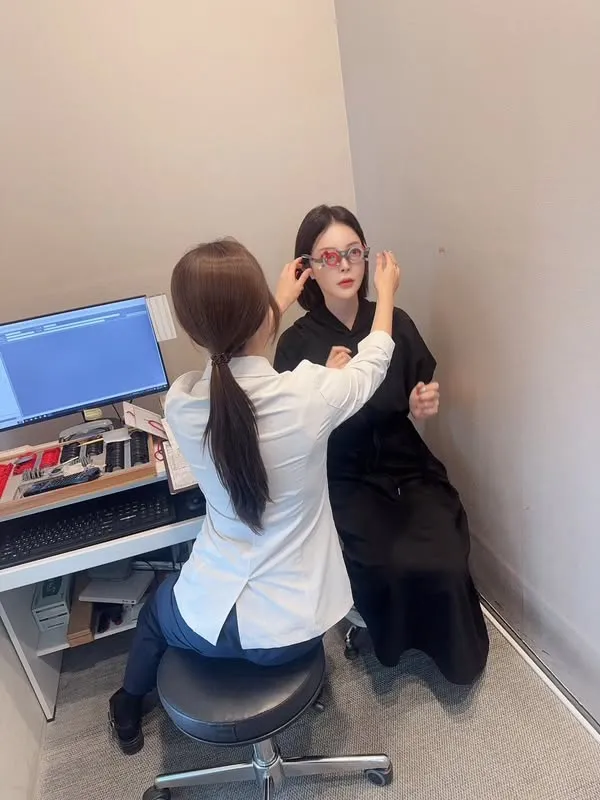
There's no deadline on this. Take the time you need, and let the exam numbers settle it rather than the length of your leave. Healing Eye Clinic is at 470 Gangnam-daero, 10–11F, Gangnam-gu, Seoul, a minute's walk from Sinnonhyeon Station.
When you're ready, send that same photo of your latest prescription or exam printout on WhatsApp, with your question about which recovery fits your days; the consultation there is free, and if you're already home after surgery, add your surgery date.
— Dr. Kim Sun-young, Medical Director
Frequently asked questions
Can I fly home right after the next-day check?
Dry cabin air and sleeping on the plane are. Keep your drops in your carry-on, wear the shield if you've had ICL, and don't nap face-down on the tray table.
When can I go back to working at a screen?
Most people are back to daily life, screens included, within 1–2 days of either surgery. Screens lower your blink rate, so expect more dryness in the first weeks. Use your drops on a schedule and look into the distance every 20 minutes or so.
How long can an ICL stay in the eye?
It can stay until you develop a cataract later in life. At that point it's taken out during the cataract operation. If your nearsightedness creeps up in the meantime, the cornea hasn't been reshaped, so a laser touch-up is often still possible.
Do I need to stop wearing contacts before the exam?
Usually yes, because contact lenses change the shape of the cornea and can skew the measurements the whole plan rests on. How many days depends on whether you wear soft, toric or hard lenses, so confirm the number in your consultation before you book flights.
What if I've been told my cornea is too thin for LASIK?
That's when ICL or LASEK usually comes up. Premium LASEK suits thinner corneas, though its recovery care runs 3–5 days, longer than LASIK or ICL. ICL doesn't use the cornea at all, which is why it's often considered for strong prescriptions.
Questions about your own case or available dates? English interpreter on site.
Ask us on WhatsAppMessage us on official LINE / WhatsApp for a special offer
Your exact candidacy and cost are confirmed in a free 1:1 consultation.