LASIK and Dry Eye Risk: An Honest Talk Before You Decide
Dry eye is the side effect patients worry about most. I'm Dr. Kim — here's the real LASIK dry eye risk, who's prone to it, how we screen for it, and what's temporary versus lasting.

Dr. Kim Sun-young, Director
Cornea · Glaucoma · Cataract
Contents
The message I probably reassure people about most often isn't about pain or cost. It's this: "Dr. Kim, I've read LASIK gives you permanent dry eyes — is that true?"
It's a fair worry, and I never wave it away. Dry eye is the most talked-about side effect of laser vision correction, and the internet flattens it into a yes-or-no scare. The reality is more specific, and once you understand it, it becomes something we can plan around rather than fear.
What LASIK actually does to your tear film
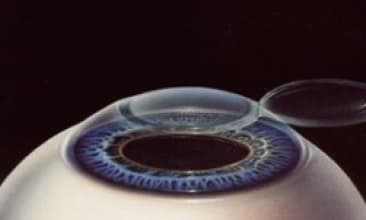
To create the corneal flap in LASIK, we pass through a thin layer of nerves on the surface of the cornea. Those nerves are part of the feedback loop that tells your eye to produce tears. For a while after surgery, that signal is quieter than usual, so your eye doesn't lubricate itself quite as eagerly. That's the mechanism behind early post-LASIK dryness — not damage, but a temporarily muted reflex.
Here's the encouraging part: those nerves regenerate. As they heal over the following months, the tear signal returns and the dryness eases for the great majority of people.
For most patients, post-LASIK dryness is a temporary phase during nerve recovery — not a permanent state. The real task is identifying the smaller group who are prone to lasting symptoms before we operate.
Who carries a higher dry eye risk
This is where a careful surgeon earns their keep, because the risk isn't evenly spread. I pay extra attention when someone arrives with:
- An already unstable tear film or a history of dry, gritty, fluctuating vision.
- Long-term contact lens wear, which can have quietly stressed the surface for years.
- Heavy screen work — we blink far less when we stare at monitors, and incomplete blinking starves the tear film.
- Certain medications, such as some antihistamines and acne treatments, that reduce tear production.
- Blepharitis or meibomian gland issues along the lid margin, which destabilise the oily layer of the tears.
None of these are automatic disqualifications. They're flags that change how I plan, and sometimes which procedure I recommend.
How we screen before saying yes
I won't agree to LASIK on someone with a borderline surface and just hope it holds. So before any decision, we measure your tear film properly — how long your tears stay stable on the eye, the quality of the oily layer, the health of the lid margins, and the overall state of the corneal surface.
If your baseline is healthy, that's strong reassurance. If it isn't, we have honest options: treat the dryness and re-measure, choose a procedure that disturbs the surface nerves less, or — occasionally — conclude that laser correction isn't the right call for you right now.
When SMILE changes the conversation
For a dry-eye-prone patient, the technique itself matters. SMILE corrects vision through a small incision rather than a large hinged flap, so it spares more of the surface nerves. Many of my SMILE patients notice less dryness in the early weeks than they expected.
I want to be careful here, because this is also where marketing overreaches: SMILE is not automatically "better." Your corneal thickness, prescription, and astigmatism still decide whether you're a SMILE candidate at all. But if you're someone who already battles dryness, the gentler nerve footprint is a real factor I weigh in your favour.
The honest limitation
Here's the part I can't soften: I cannot promise you'll never feel dryness, and I can't tell you your exact risk from a message. Tear film behaviour is individual. Two patients with identical prescriptions can heal completely differently because their lid health, blink habits, and baseline tear quality differ.
What I can promise is that we measure these things carefully before we commit, that I'll tell you honestly if your surface isn't ready, and that we plan your aftercare around your specific tear film rather than handing you the same eye drops as everyone else. If a clinic tells you dry eye is "basically impossible" with their technique, treat that confidence with suspicion.
Managing dryness if it does appear
For most people, the early dry phase is very manageable — preservative-free artificial tears, sensible screen breaks, and sometimes a short course of additional treatment while the nerves recover. Because the same surgeon stays with you here from exam through long-term aftercare, we adjust your drops and follow-up to how your eyes are actually responding, not to a generic schedule. And our lifetime guarantee means you're never left to sort out a stubborn symptom on your own.
A note for overseas patients
If you're travelling in, stop wearing contact lenses for some days before the exam so we can read your true surface — message us first, because soft and hard lenses need different lead times. Plan for at least 3 days and 2 nights in Seoul; the next-day check-up matters and you shouldn't fly the same day. We're a minute from Sinnonhyeon Station in Gangnam and around 70 minutes from Incheon Airport. And international patients pay exactly what Korean patients pay — no tourist surcharge.
Write to me first, for free, in English on our official WhatsApp or LINE. Tell me whether your eyes already feel dry, how much screen time fills your day, and whether you wear lenses. I'll give you an honest first read on your dry eye risk before you ever book a flight.
— Dr. Kim Sun-young, Medical Director, Healing Eye Clinic
Frequently asked questions
How common is dry eye after LASIK?
Some degree of dryness in the first weeks to months is common — I'd call it expected rather than a complication. The far less common situation is dryness that lingers and bothers you well beyond six months. Careful screening before surgery is the single biggest factor in keeping you out of that smaller group.
Does dry eye after LASIK ever go away?
For the large majority, yes. The corneal nerves that LASIK temporarily disrupts recover over months, and the dryness eases with them. A minority experience symptoms that persist longer, which is exactly why I assess your baseline tear film before agreeing to operate rather than after.
I already have dry eyes. Can I still get LASIK?
Sometimes, but not always, and not before we treat the dryness first. If you arrive with an unstable tear film, operating on top of it tends to make the early recovery harder. I'd rather get your surface healthy first, or recommend a procedure like SMILE or a surface treatment that disturbs the nerves less.
Does SMILE cause less dry eye than LASIK?
Often, yes. SMILE uses a small incision instead of a large corneal flap, so it disturbs fewer of the surface nerves, and many patients report less dryness early on. That doesn't make it automatically the right choice — your cornea and prescription still decide — but for a dry-eye-prone patient it's a genuine point in its favour.
What can I do to reduce my dry eye risk before surgery?
Stop contact lenses well before your exam so we read your true surface, tell us about any antihistamines or screen-heavy habits, and treat any existing lid or tear problems first. During the consultation we measure your tear film and tailor the plan and aftercare to it — there's no single fix that fits everyone.
Message us on official LINE / WhatsApp for a special offer
Your exact candidacy and cost are confirmed in a free 1:1 consultation.