Korea Personal Custom LASIK Procedure Steps and Procedure?
Korea personal custom LASIK procedure steps and procedure: four surgical steps follow an aberration map. See when I say no; send your prescription.

Medically reviewed byDr. Kim Sun-young, Director· Medical Director
Edited by: Dr. Kim Sun-young
Contents
Still unsure after reading up on Korea personal custom LASIK procedure steps and procedure, and wondering whether "custom" is worth a trip to Seoul when your eyes are past 45? Read this before you choose a surgery or a flight. You'll know the steps, what the custom part changes, how recovery goes, what reviews get wrong and what decides the cost, so you can judge whether it fits your eyes and budget.
Hello, I'm Dr. Kim Sun-young, Medical Director at Healing Eye Clinic in Gangnam, specializing in cornea, glaucoma and cataract. Besides Personal Custom LASIK, our menu includes Clear SMILE LASIK, LASEK, ICL and presbyopia and cataract surgery, with one dedicated surgeon from exam to aftercare and English interpreters on site.
I'm writing this because "custom" sounds like a stronger operation that every eye should get, and that belief costs people a clear decision.
The short answer: the surgery runs in four steps, and both eyes usually take about 10 minutes. The personal part comes earlier, when your eye's higher-order aberrations are measured and the treatment is designed from them.
If night glare is what's pushing you toward custom design, send a photo of your prescription on WhatsApp and ask, "Would custom design change anything for eyes like mine?" You'll be starting from your own numbers and the symptom you actually have.
What are the steps of Personal Custom LASIK in Korea?
The phrase "Korea personal custom LASIK procedure steps and procedure" reads as if there were two lists, and that's close to the truth. One is the planning, covered in the next section. The other is the surgery, which goes like this:
- A precise laser forms a thin corneal flap, with a hinge left on one side.
- The flap is lifted aside to expose the corneal stroma underneath.
- An excimer laser reshapes the stroma to correct your prescription, while eye tracking follows small eye movements.
- The flap returns to its original position and adheres without stitches.
Numbing drops are generally used for LASIK, and you're awake throughout. The US FDA's patient guidance describes pressure and dimmed vision while the flap is made, which is worth knowing beforehand so the moment doesn't alarm you.
On a short trip, the exam and surgery fall on the first day, and the check-up comes the next morning. To see how those days fit with the wider trip, here are the five steps from first message to flight home.
The custom part happens before the laser
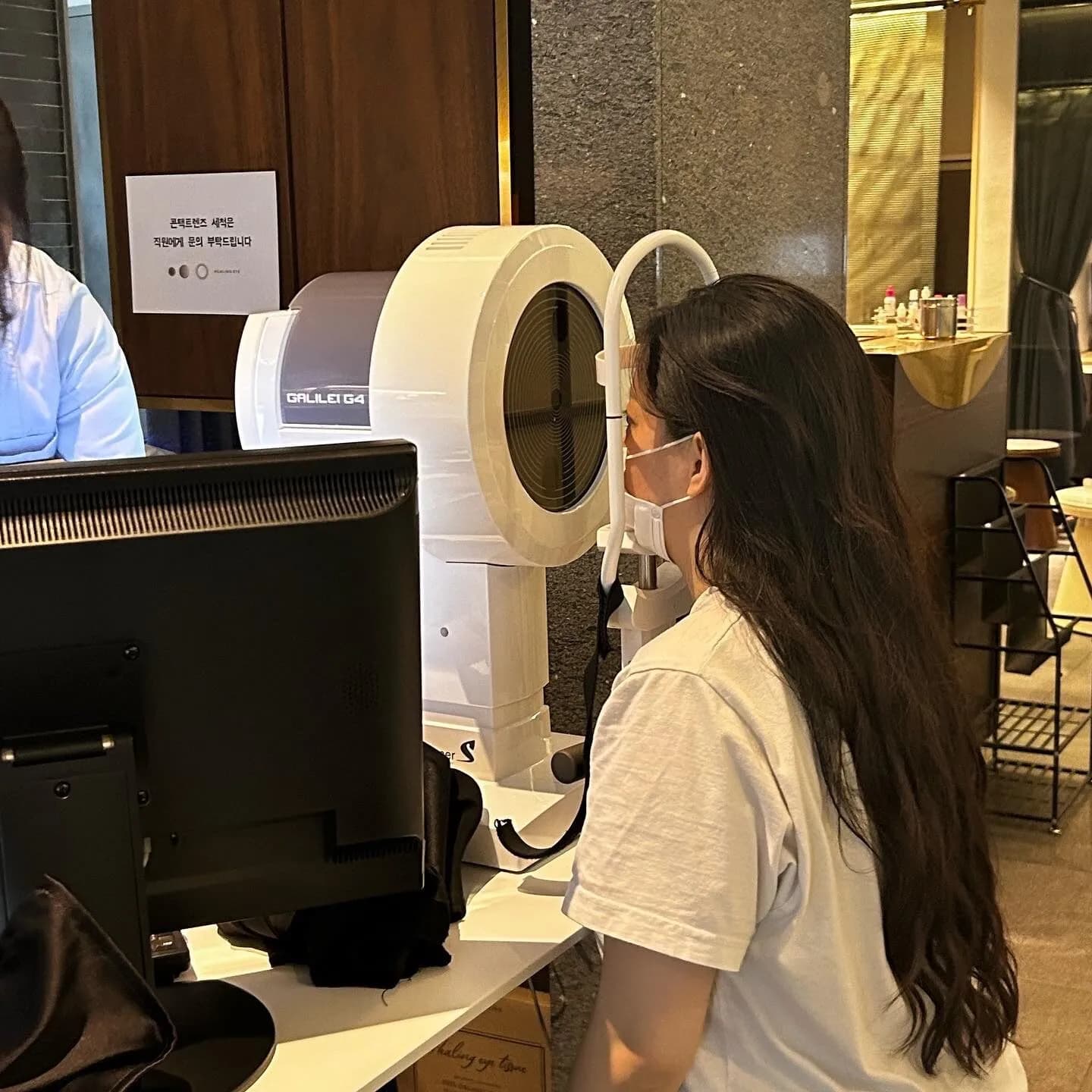
Standard LASIK corrects your prescription with a standard pattern. Custom LASIK adds your eye's own subtle irregularities to that. Two eyes can both measure -3.00 and still focus light on the retina differently, and that difference affects glare in the dark, contrast and the quality of night vision.
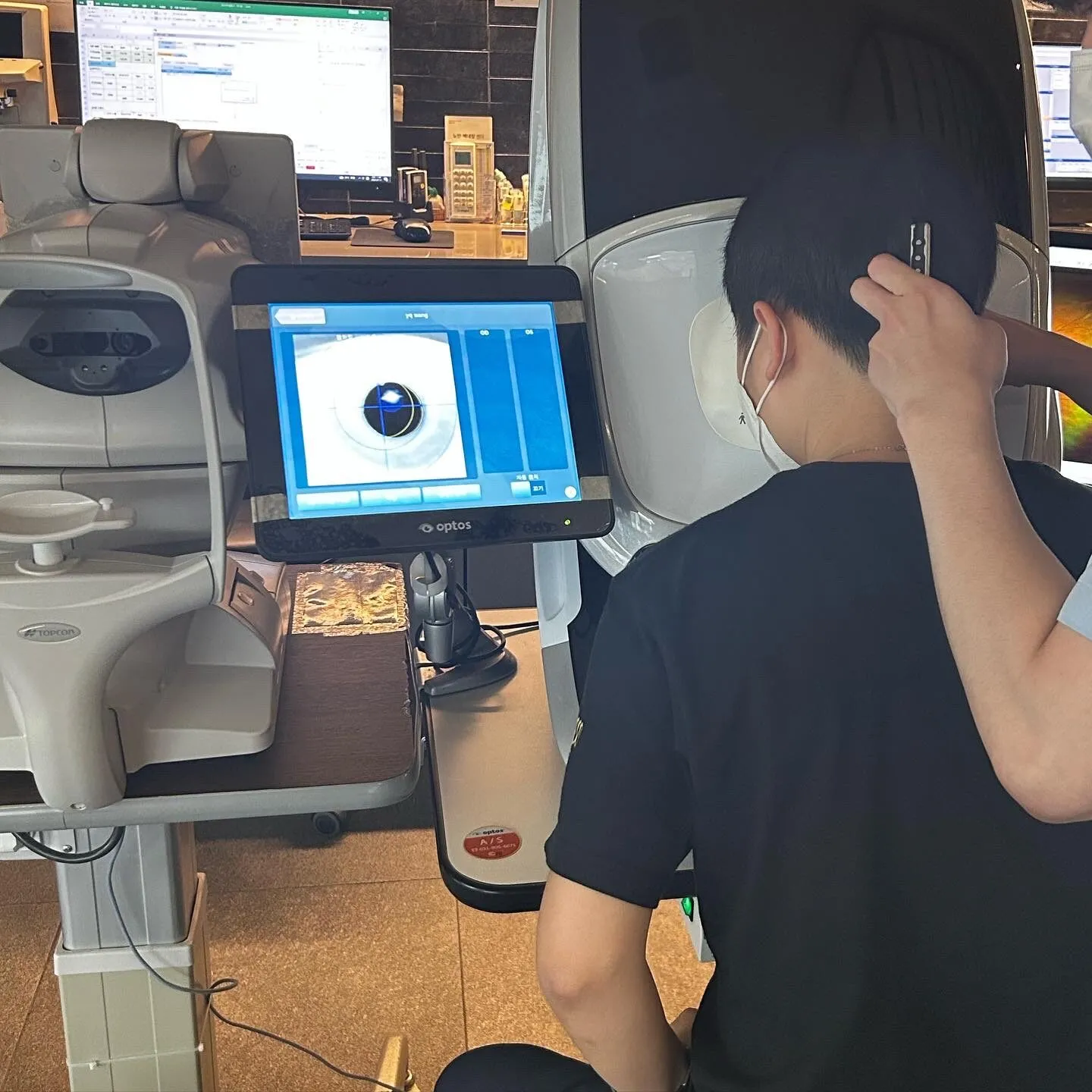
To capture it, a wavefront analyzer and corneal topography measure across hundreds of points how light bends through your eye. The resulting aberration map becomes the blueprint the laser follows, so how accurately it's measured and read matters as much as the machine.
The same exam checks corneal thickness and shape, pupil size, tear film, how much cornea would remain and any warning signs of keratoconus. Large pupils are closely tied to nighttime glare, so they matter at the design stage too. We then review your results together through an interpreter.
When I wouldn't recommend custom design
A good result begins in the exam room, and sometimes what the exam shows is that you don't need this. These are the situations where I'd steer you elsewhere:
- Your higher-order aberrations are low. Standard LASIK or LASEK may do well enough, and I sometimes won't recommend custom design at all.
- Your cornea is thin or your prescription is very high. A method that takes less from the cornea's structure, or ICL, deserves comparing. ICL has its own risks as intraocular surgery, including cataract and raised eye pressure.
- You have severe dry eye, progressing keratoconus or a changing prescription, or you're pregnant or breastfeeding. Stabilizing first or postponing is the better course.
- You've already had LASIK or LASEK and your vision has declined. That needs a root-cause look, which is why we run a dedicated revision center.
When the answer is no, you still have options, and this guide to what to do when LASIK is a no walks through them.
Age adds two more things that custom design doesn't change. LASIK corrects the cornea, while presbyopia comes from the lens inside the eye gradually losing its focusing range. So near vision will keep aging, and correcting distance can make reading glasses more noticeable. Early lens clouding can also cause glare, and reshaping the cornea won't clear that.
Say you're 52 with about -3.00, you drive at night and you've started holding your phone farther away. I'd look at your lens and pupil before the aberration map, because the glare may not be coming from your cornea. If the lens is clear and the aberrations are pronounced, custom design makes sense to discuss, along with a presbyopic version. If the lens is already clouding, it would be the wrong trade, and we'd talk about presbyopia and cataract surgery instead.
If you're past 45, photograph your most recent eye exam report and send it on WhatsApp with one line about your reading glasses. Then ask whether your lens could be part of the problem. It's a question worth settling before you compare surgeries.
How does recovery go, and when can you fly?
Vision starts coming back the same day, and most people return to daily life in 1 to 2 days. The check-up the next morning comes before your flight home. We typically arrange testing and surgery within a few days, and it's reasonable to leave yourself a spare day if your work calendar allows it.
For the first days, the main task is protecting the flap while it settles, so don't rub your eyes. Use your drops as prescribed, and take artificial tears on the plane because cabin air is dry. The FDA's guidance mentions avoiding swimming and hot tubs for one to two weeks and strenuous contact sports for at least four. It also notes that vision can take several months to stabilize.
After you fly home, we keep following your progress by video call or messenger. If a relative who reads Korean is helping you decide, they can compare with our Korean-language Clear LASIK page, and our other contact details are on the Healing Eye Clinic English site.
What do reviews claim about custom LASIK?
"Custom gets rid of night glare." This one goes too far. The design takes night vision and contrast into account, but glare and halos remain known risks of LASIK, and they can come from your pupils, your tear film or your lens as well.
"It takes ten minutes, so the trip can be tiny." The surgery time is accurate. The exam and the check-up are what set your trip's length, and an exam can change the plan.
"A newer laser makes the method irrelevant." Laser names draw a lot of attention, as this piece on why a faster laser can mean the same surgery underneath explains. For a custom design, measurement and reading the data matter just as much. You'll find more of these debates in five Reddit questions about getting LASIK in Korea.
What decides the cost for your eyes?
Four things move the figure:
- whether your aberrations justify custom design, or a standard LASIK or LASEK treatment would do
- whether your exam points to a different method altogether
- your days in Seoul, which affect your own travel budget
All prices apply equally to local and international patients. Ask on WhatsApp what your case would cost, and mention the method you've been told about so the answer covers the right surgery.
What can go wrong after LASIK
Risks and side effects to know
Dryness, irritation, light sensitivity and fluctuating vision are common early on and usually ease over weeks to months, though recovery differs from person to person. Glare, halos and starbursts can occur, especially at night, and may last longer in some people. Less often, there can be under- or overcorrection, infection, or flap problems such as displacement after an eye injury. LASIK also can't be reversed.
The FDA advises particular caution with an unstable prescription, thin corneas, large pupils, dry eyes and some autoimmune conditions. Tell your surgeon about all your health conditions and medications before the exam, including anything that affects healing.
If you're home and notice sudden pain, redness or a drop in vision, see a local eye doctor promptly, then contact us.
LASIK Revision Surgery in Korea: What the Exam Must Show go further into what usually comes next.
What to send in your first message
Tell us on WhatsApp which month you could travel and what bothers you most, whether it's night driving, reading or something else. When you come to Seoul, your surgeon will examine your eyes and recommend the treatment that fits how you use them.
Frequently asked questions
Will Personal Custom LASIK stop me needing reading glasses?
No. It corrects the cornea, and presbyopia comes from aging of the lens inside the eye. We also offer presbyopic LASIK and LASEK and presbyopia and cataract surgery, which you can ask about if near vision matters to you.
How long is the operation itself?
Both eyes usually take about 10 minutes. The exam and planning take far longer than the laser does, so build your trip around those.
Is this the same operation as Clear SMILE LASIK?
No. Personal Custom LASIK reshapes the tissue beneath a lifted corneal layer, following an aberration map. Clear SMILE LASIK removes a lenticule through one small incision. Which suits you comes from your exam data.
Can I do this without speaking Korean?
Yes. On-site interpreters work in English, Japanese and Traditional Chinese, so you can go through your aberration results and the treatment design in your own language before deciding.
What happens with follow-up once I've gone home?
We keep following your progress by video call or messenger after you fly home. If something urgent comes up, see a local eye doctor promptly and take your surgery records with you.
Message us on official LINE / WhatsApp for a special offer
Your exact candidacy and cost are confirmed in a free 1:1 consultation.