Refractive Eye Surgery Korea: What Recovery Looks Like by Procedure
Refractive eye surgery Korea: planning refractive eye surgery in Korea? See how LASIK, LASEK and ICL recovery differ and why the Seoul exam sets your stay.

Dr. Kim Sun-young, Director
Cornea · Glaucoma · Cataract
Medically reviewed byDr. Kim Sun-young, Director· Medical Director
Edited by: Dr. Kim Sun-young
Contents
If a surgeon at home told you your corneas are too thin or your prescription is too strong, refractive eye surgery in Korea can still be planned, but not the way most trips are. You won't know which operation you're having until your corneas have been measured in Seoul, and LASIK, LASEK, SMILE and ICL each come with a different recovery period. At our clinic, most Clear LASIK patients are back to daily life within one to two days, Perfect Healing LASEK comes with a 3–5 day recovery-care period, and ICL means daily life again in 1–2 days, with its own set of checks because the lens sits inside the eye.
I'm Dr. Kim Sun-young, Medical Director of Healing Eye Clinic in Seoul, and "should i do my lasik in thailand or korea" is a question I can only half answer from my side of the map.
For eyes already turned down for LASIK, the options left on the table are usually LASEK or ICL, and those are the two whose first week looks least alike.
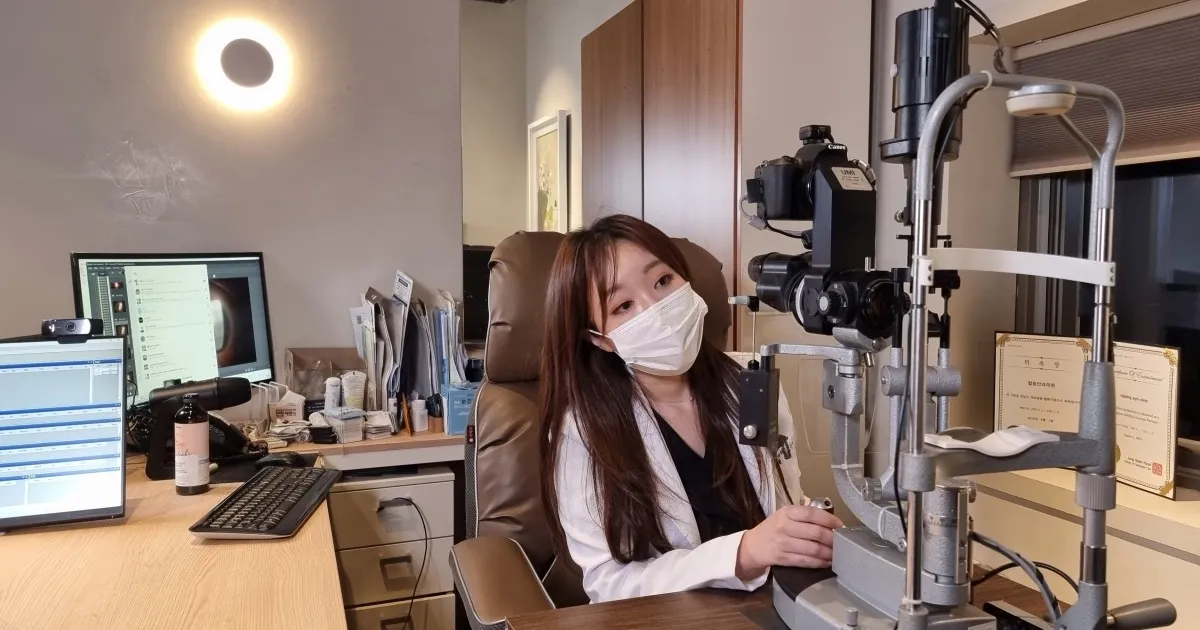
The procedure your exam picks decides how long you stay
LASIK, LASEK and ICL change different parts of the eye. Clear LASIK reshapes the cornea under a thin corneal flap, Perfect Healing LASEK reshapes the corneal surface with no flap, and ICL places a lens inside the eye without reshaping the cornea.
The table uses our clinic's own treatment information; the number of nights you actually need is confirmed at your consultation.
| Procedure | Back to daily life | Usually considered when |
|---|---|---|
| Clear LASIK | Within 1–2 days for most people | Prescription is stable, cornea thick enough, topography even |
| Perfect Healing LASEK | 3–5 day recovery-care period | Cornea is thinner, or frequent impact to the eyes, where a flapless method may suit better |
| ICL | 1–2 days | Myopia is very high, or the cornea isn't suited to laser |
Personal Custom LASIK uses the same flap-based approach as Clear LASIK, with the correction designed from a wavefront map of the whole eye; its recovery timing is confirmed at consultation.
SMILE, which we also perform, removes a thin lens-shaped piece of tissue through a small incision in the cornea. For the trip, it needs the same fixed points as the other laser options: the exam, the surgery and a follow-up check afterwards. The number of nights for SMILE is set once your measurements are in, and the step-by-step walkthrough of SMILE in Korea covers the day itself.
Why can't you pick the surgery before you land?
The deciding numbers come from machines you don't have at home. Corneal thickness, the topography map, pupil size in dim light, the tear film, eye pressure and the endothelial cell layer are all measured in the same visit, and any one of them can move you from one row of that table to another.
Here is what changes the decision in practice. An even topography with enough thickness leaves LASIK open. A map with subtle irregularity, or a pattern that suggests keratoconus, closes it, and the conversation moves to LASEK or ICL. Pupils that open wide in the dark raise the chance of night glare, which shapes the optical zone design. A poor tear film can mean treating dry eye first and postponing surgery, which is a different trip entirely.
Exam and surgery can often happen on the same visit, though your eyes may call for adjustment. At our clinic one dedicated surgeon owns your case from exam to surgery to aftercare, and Japanese, Traditional Chinese and English interpreters sit in on the consultation. If you're making the trip alone, the solo-trip guide to laser eye surgery in Korea covers what you can manage by yourself.
After LASIK, the next-day check sets the calendar
For a few hours after Clear LASIK, dryness, light tearing and a gritty feeling are common, and they settle soon. Most people see clearly from the next day, and the same surgeon checks the eyes at a next-day follow-up.
The reshaping itself is done with an AMARIS Red excimer laser, following a profile designed from your pre-op measurements, and the laser time is brief.
The whole calendar is built around that next-day visit. The clinic is open Monday to Thursday 10:00–18:30, Friday until 21:00 and Saturday 10:00–14:00, and closed on Sundays and public holidays. Surgery on a Saturday would put the next-day check on a Sunday, when the clinic is closed. Surgery on a Thursday puts it on a Friday, when the clinic stays open until 21:00, which gives that day more room.
For the following one to two weeks: drops on schedule, no eye rubbing, and no sauna, swimming or eye makeup for the period you're advised. Temporary dryness is common in this stretch and is managed with artificial tears. The exact number of nights you stay in Seoul is confirmed after the exam, not before.
Why does LASEK need rest days near the clinic?
Plan the first days as rest days. LASEK reshapes the surface of the cornea, so the thin outer skin has to grow back over the treated area before vision settles. That regrowth is the reason for the 3–5 day recovery-care period, and it's when discomfort, light sensitivity and fluctuating vision are most noticeable.
The first days after LASEK are not sightseeing days. For the light sensitivity, follow what I advise at your visit, which may include sunglasses and time in a dim room. The clinic is a one-minute walk from Sinnonhyeon Station at 470 Gangnam-daero, and our partner hotel is the O'Cloud Hotel in Seocho-gu. Perfect Healing LASEK is often the option left when a cornea is thin, and when the topography shows irregularity the choice is usually between LASEK and ICL; which one fits depends on what the exam shows. The Perfect Healing LASEK page explains how the recovery-care program fits around those days.
ICL is for eyes a laser shouldn't reshape
When the cornea itself is the problem, a lens is implanted inside the eye in front of your natural lens, the cornea isn't reshaped, and the lens can be removed if needed. Most people return to daily life in 1–2 days.
The trade-off is that ICL is intraocular surgery. Before surgery, the space inside the eye has to be measured so the lens fits; after it, eye pressure and the lens position are watched at follow-up. Those checks are why an ICL calendar shouldn't be squeezed, even when vision feels good the next morning. The ICL treatment page explains who it suits.
Which risks change the travel plan?
Every option here carries risk, and the risks differ by type. Some are temporary and simply need time; a few need a doctor's hands, which is why they shape where you should be in the first weeks.
- LASIK: dry eye, glare or halos at night, and rarely, problems with the corneal flap. Rubbing the eye early is the avoidable cause.
- LASEK: more discomfort in the first days, slower visual recovery, and a possibility of corneal haze while the surface heals.
- SMILE: dryness and night glare can also occur, and visual sharpness may take time to settle.
- ICL: a rise in eye pressure, and over the years a possibility of cataract formation, which is why lens sizing and long-term check-ups matter; infection after any intraocular surgery is uncommon and needs prompt treatment if it happens.
- All of them: under- or over-correction and regression, where some myopia returns over time.
Regression doesn't always mean a second operation, but when one is needed, the clinic runs a dedicated LASIK/LASEK revision-surgery center. You can read more on the Korean revision-surgery page. Nobody can promise a result, and your own risk profile comes from your own exam.
When can you fly home, and who sees you there?
You fly once the surgeon who operated is satisfied with your follow-up, which is why stay length is set at consultation. Plan the recovery days before the flight, carry copies of your records, and arrange follow-up care at home.
What to carry back: your exam printouts, the name of the procedure performed, and the list of drops with their schedule. An ophthalmologist at home can read those in minutes. The clinic's lifetime surgery policy includes lifelong check-ups, so later visits to Seoul remain possible, and the aftercare-at-home guide covers which symptoms are normal once you're back.
I can't tell from a printout whether an earlier surgeon's measurements will hold up, so bring your travel dates, your latest prescription and the topography printout from the surgeon who said no to the consultation. The exam will show which measurements need repeating, and we can then set how many spare days to plan.
Frequently asked questions
Which types of refractive eye surgery are available in Korea?
At Healing Eye Clinic in Seoul, the options are Clear LASIK, Personal Custom LASIK, SMILE, Perfect Healing LASEK and ICL. Which one fits depends on corneal thickness, topography, prescription, pupil size and tear film, all measured at the exam.
My surgeon at home said my corneas are too thin. Is there still an option?
Often there is, but not always. Thin but regular corneas may still suit LASEK, and very high myopia may point to ICL, which doesn't reshape the cornea. An irregular topography or signs of keratoconus can rule out laser altogether, and the exam decides.
Can the exam and the surgery happen on the same trip?
Exam and surgery can often happen on the same visit, though your eye condition may call for some adjustment. A next-day follow-up with the same surgeon is part of the plan, so the trip needs room for it.
Is the eye surgery itself long?
No. The clinic's stated times are about 10 minutes for both eyes with LASIK or LASEK, and about 15 minutes for both eyes with ICL. The exam and consultation take longer than the operation.
Do I need to speak Korean?
No. Consultations at Healing Eye Clinic are supported by Japanese, Traditional Chinese and English interpreters, so you can go through your results and surgical plan in your own language before deciding.
Message us on official LINE / WhatsApp for a special offer
Your exact candidacy and cost are confirmed in a free 1:1 consultation.