When can you drive after cataract surgery back home?
When can you drive after cataract surgery once you've flown home from Seoul? The vision standard to meet, the second-eye gap, and when to message us.

Dr. Kim Sun-young, Director
Cornea · Glaucoma · Cataract
Medically reviewed byDr. Kim Sun-young, Director· Medical Director
Edited by: Dr. Kim Sun-young
Contents
The drive I'd ask you not to make is the one out of your home airport after a long-haul flight, with a freshly operated eye and jet lag. If you're planning cataract surgery in Seoul, arrange that ride home before you book anything else. At our clinic, one surgeon owns your case from the first exam to surgery to aftercare.
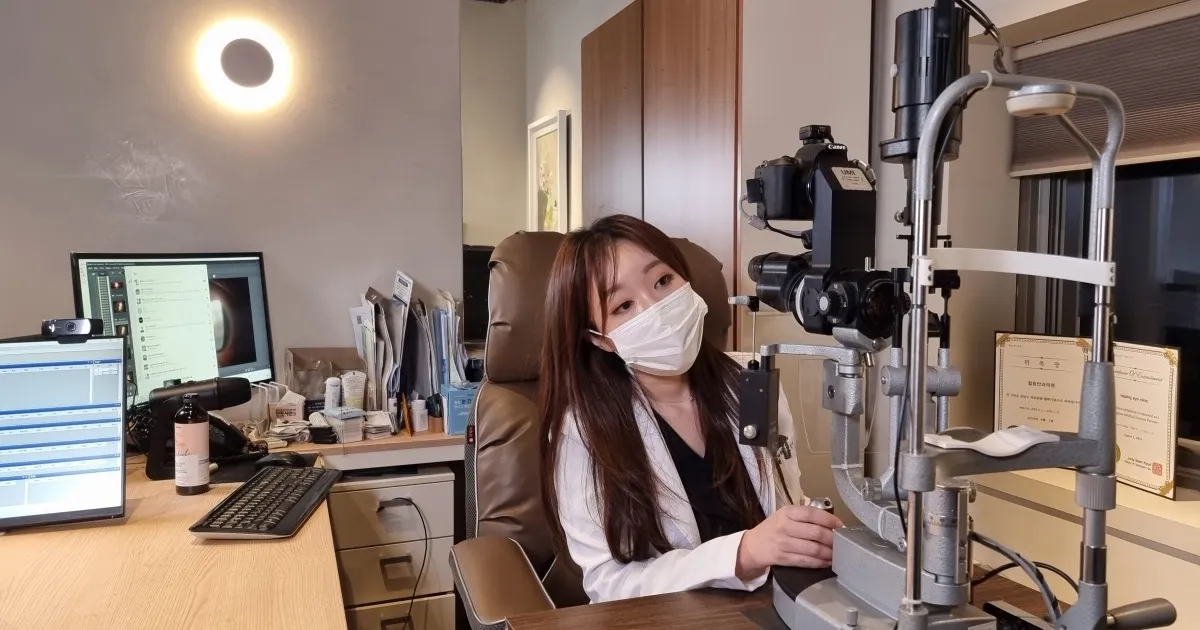
I'm Kim Sun-young, Medical Director at Healing Eye Clinic in Gangnam, and my specialty is cornea, glaucoma and cataract.
That matters for driving more than people expect, because the follow-up plan you leave Seoul with is set by the doctor who measured your eyes before the operation, and English interpreters are on site so you can ask about it in plain words.
If your dates are still flexible, send your planned arrival and departure dates on WhatsApp.
Surgery day in Seoul needs no car at all
Nobody drives on surgery day, and in Gangnam nobody needs to. The clinic is at 470 Gangnam-daero, a one-minute walk from Sinnonhyeon Station, and the clinic's partner hotel is the O'Cloud Hotel in Seocho-gu, so the trip between bed and clinic can be a short taxi ride or a walk with a companion.
The operation itself takes roughly 15 to 20 minutes per eye. The National Eye Institute advises that you'll need someone to take you home afterwards, and that holds even without a car involved: your pupil has usually been dilated, the eye may be covered with a shield, and vision on the operated side is often hazy for the rest of the day. Bring someone, or plan a taxi from the door. If a family member is coming with you, our companion's guide for adult children bringing a parent covers what the person beside you will be doing that day.
Two habits from that first evening carry over to driving later. Don't rub the eye, and wear the shield when you sleep if you're given one. Both protect the healing wound, and a calm first week is what lets the vision settle to the point where driving becomes a reasonable question.
What has to happen before you board the flight home?
In short, that check is your chance to learn what the operated eye reads on that day and what still needs to settle.
Use the visit well. With an interpreter beside you, ask these before you leave:
- What does the operated eye read on the chart today, without glasses?
- Is the cornea still swollen, and should vision keep improving over the next weeks?
- Will my current glasses still work, or should I wait for a new prescription?
- If the second eye hasn't been done yet, when would that happen?
- Which drops do I use, how often, and for how long?
Write the answers down or photograph them. At home, they're what lets your local eye doctor pick up where Seoul left off. If you want a sense of how vision usually changes across the first days, our day-by-day cataract recovery timeline walks through it.
Risks and side effects to know
The flight itself isn't a driving question, but it shapes the day you land. After 10 or 14 hours in a dry cabin, eyes feel tired, and a dry eye after surgery blurs more than usual. That blur plus exhaustion is why the airport drive is the one I'd rule out.
The first drive at home is a vision test, then a comfort test
Legally, you need to meet the vision standard of the place that issued your license. Medically, you also need to feel confident judging distance, glare and movement with both eyes together. The first is measurable at an eye check; the second you find out on a quiet road in daylight.
Licensing rules differ by country and, in the US, by state, so check with your own licensing authority. As one concrete example, GOV.UK states that drivers must be able to read a car number plate from 20 metres and have visual acuity of at least decimal 0.5 (6/12) on the Snellen scale, with glasses or contact lenses if needed. A home eye doctor or optometrist can tell you whether you meet your local number after surgery.
Passing the chart is only half of it. A sensible first drive looks like this: daylight, a route you know, no highway, someone in the passenger seat. Check your mirrors and blind spots deliberately, because a new lens can make distances feel slightly different for a while. If anything feels off, pull over and try again in a few days.
Why does the gap between your two eyes matter so much?
Because a car needs two eyes that agree. If only one eye has been operated on, it may now focus well at distance while the other still carries its old prescription and its cataract, and your current glasses no longer suit either eye properly.
People describe this stretch as strange rather than painful. The operated eye looks bright and clear, colours shift a little, and the other eye looks dim and yellowish by comparison. Judging gaps in traffic can feel unreliable while the brain adapts to two very different images.
There are practical bridges for the in-between weeks, such as a temporary change to one lens of your glasses, which your eye doctor can discuss with you. Timing of the second eye is its own decision, and our piece on how surgeons decide cataract surgery timing explains what goes into it. Whether both eyes happen within one trip is something to settle at the consultation, because it changes how many days you'll spend without comfortable driving vision.
Will night driving feel different with a multifocal lens?
Night driving can feel different with a multifocal lens. The American Academy of Ophthalmology notes that multifocal lens implants can cause glare or halos around lights at night. If you drive often after dark, say so before the lens is chosen.
At our clinic, a lens that also corrects presbyopia or astigmatism can be placed during cataract surgery, which suits some people who travel for the operation. That choice has a night-driving side, and it belongs in the lens conversation alongside reading distance and screen use. Your first night drives at home deserve the same caution as the first daytime ones: familiar roads, lower speeds, and stopping if headlights blur into rings you can't see past.
If someone in your family reads Korean, the clinic's Korean page on presbyopia-correcting lens implants is worth sharing with them before the consultation, so they can follow the lens discussion with you.
Warning signs once you're home, and who to contact
Most of the first week is mild: a scratchy feeling, watering, sensitivity to light, and vision that's hazy but improving. Pain that increases, vision that suddenly drops, or a shadow across your sight are not part of normal healing and need a local eye doctor or emergency department the same day.
| What you notice | Usually means | What to do |
|---|---|---|
| Scratchy, watery, light-sensitive in the first days | Normal healing | Keep using drops as prescribed |
| Blur that isn't improving, or new glare at night | Swelling still settling, or a lens question | Message the clinic and book a local check |
| Rising pain, spreading redness, sudden vision loss | Possible infection or pressure rise | See an eye doctor or emergency department today |
| Flashes, a burst of floaters, a curtain over vision | Possible retinal problem | Seek urgent eye care today |
For anything in the bottom two rows, local emergency care comes first, and you can update the clinic afterwards.
MedlinePlus and the AAO describe the complications that are uncommon but real after cataract surgery, such as infection, inflammation, raised eye pressure, swelling, bleeding and retinal detachment, plus clouding of the capsule behind the new lens months or years later. How quickly vision settles differs from person to person, and your suitability, lens choice and follow-up schedule are confirmed at the in-person exam in Seoul.
Lifelong check-ups after surgery are part of the clinic's aftercare policy. For general habits around drops, rubbing and check-ups after flying back, see our notes on aftercare once you're home.
Before you travel, send a photo of your latest eye exam report or glasses prescription on WhatsApp, together with the date you need to be driving again at home.
What should you hand your eye doctor back home?
A short file: the date of surgery and which eye, the lens type and power that were implanted, your drops schedule, and the vision results from your last check in Seoul. Ask for these before you leave, because they're harder to gather by email later.
Your home eye doctor or optometrist is the person most likely to sign off your driving vision, especially if your license requires a formal test. With the file in hand, that appointment becomes a quick check. It also helps if something comes up months later, such as the capsule clouding that sometimes follows cataract surgery, since the doctor can see exactly what was done. For what clear vision usually looks like across the first weeks, read vision after cataract surgery, day by day, and for the whole trip in order, from consultation to flying home, our Seoul surgeon's guide to cataract surgery in Korea lays out the steps.
If you drive at night for work, or you have a fixed date when you must be back behind the wheel, put that in your first WhatsApp message along with a photo of your current prescription. It shapes the lens conversation at the consultation, and you'll get your answer in English.
Frequently asked questions
Can I drive the day after cataract surgery?
It's wiser to wait until an eye check confirms the operated eye meets your driving vision standard. Even when vision looks clear the next morning, swelling and leftover dilation can make it fluctuate during the day. Plan for someone else to drive for the first days.
Do I need new glasses before I can drive again?
Sometimes. If your license relies on glasses, your old pair may no longer suit the operated eye. A home optometrist can test whether you meet the standard with or without your current glasses, and a new prescription is usually made once vision has settled.
Is it legal to drive between the first and second eye operations?
It's legal only if you meet your licensing authority's vision standard with both eyes together, using glasses if allowed. The mismatch between an operated and an unoperated eye can make that hard, so have a local eye doctor test you before you drive in that period.
What if my vision is still blurry a week after I get home?
Some blur while the cornea settles is common. If it isn't improving, or it's getting worse, book a local eye check and message the clinic. Sudden vision loss or rising pain needs same-day eye care.
Is a monofocal lens easier for night driving than a multifocal one?
Many people find a monofocal lens produces fewer halos around headlights, while multifocal lenses trade some night-time glare for less dependence on reading glasses. If you drive a lot after dark, raise it before the lens is chosen.
Message us on official LINE / WhatsApp for a special offer
Your exact candidacy and cost are confirmed in a free 1:1 consultation.