Can You Fly After Cataract Surgery? Exam First, Then Board
The answer to can you fly after cataract surgery is usually yes, after your post-op check: what to pack, what's normal at home, when to message us.

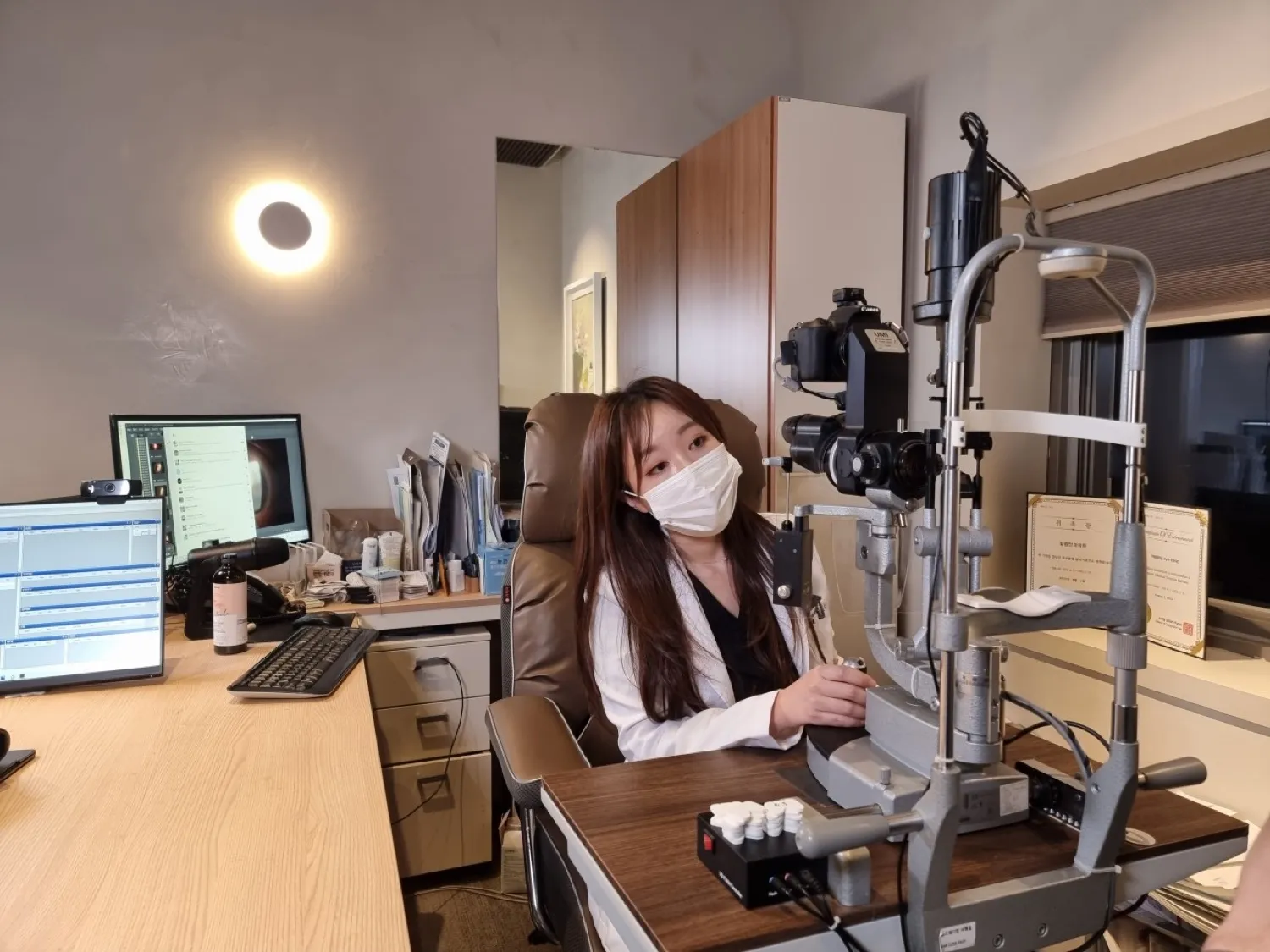
Dr. Kim Sun-young, Director
Cornea · Glaucoma · Cataract
Medically reviewed byDr. Kim Sun-young, Director· Medical Director
Edited by: Dr. Kim Sun-young
Contents
The answer to “can you fly after cataract surgery” is usually yes, because cabin pressure rarely causes problems after uncomplicated cataract surgery. The deciding step is the check after surgery: you want the eye examined in Seoul and found to be healing normally before you board. For many families, the harder part comes after landing, when drops, a night shield and any unexpected redness have to be managed far from the surgeon who did the operation.
I'm Dr. Kim Sun-young, Medical Director at Healing Eye Clinic in Gangnam, where one dedicated surgeon handles the exam, the surgery and the aftercare, and lifelong check-ups are offered after surgery.
If you're arranging this for a parent, send their travel dates and a photo of their daily medication list on WhatsApp, in English.
The check that comes before the boarding pass
When to fly is mostly a question of timing. MedlinePlus notes that the follow-up exam usually happens the day after cataract surgery. Once that check shows a normal, settled eye, flying is usually reasonable. The exception is a gas bubble placed inside the eye. That belongs to retinal surgery, not routine cataract surgery, and you shouldn't fly with gas in the eye.
Two things make that check harder to schedule than people expect. On Fridays it stays open until 21:00. If both eyes need surgery, the gap between them also changes how long the trip lasts. One eye or both in Seoul lays out that choice, and how long to stay for cataract surgery in Korea covers the calendar. The exact number of days is confirmed at your consultation.
What goes in the carry-on for the flight home?
Pack everything the eye needs for the journey in your hand luggage, not your checked bag: drops, the shield, dark glasses and a short written record of the surgery.
- Every eye drop, in its labelled box. Missing doses on a long flight is an easy mistake. Set phone alarms on Seoul time and switch them over after landing.
- The protective shield. The American Academy of Ophthalmology advises not rubbing or pressing on the eye, and wearing a shield to sleep if your surgeon asks you to. On a plane, the risks are a cheek pressed against the window or rubbing a dry eye while half-asleep.
- Dark sunglasses. MedlinePlus recommends them outdoors once the patch is off, and airport lighting is bright too.
- A one-page surgery record. Write down which eye was treated, the date, the type of lens implant and the drop schedule. Your doctor at home will want all four.
- Lubricating drops, if your surgeon approves them. Cabin air is dry, and a gritty eye makes you want to rub it.
Washing your face in an aircraft bathroom is a small but common risk. The AAO advises keeping soap and water out of the eye, so wipe around the eye with a damp cloth instead of splashing.
Which symptoms at home are normal, and which need a call?
Discomfort that fades is normal, and anything that gets worse is not. The National Eye Institute says the eye may feel itchy, uncomfortable and sensitive to light and touch, and should feel better after one or two days. It also lists vision loss, severe pain, a very red eye and new floaters as reasons to call an eye doctor right away.
| What you notice at home | What it usually means | What to do |
|---|---|---|
| Itching, grit or light sensitivity in the first days | Normal healing | Keep up the drops and don't rub |
| Blur that improves day by day | The eye settling | Note it and mention it at your next check |
| Pain not eased by over-the-counter painkillers | A warning sign listed by the AAO | See a local eye doctor today and message the clinic |
| Very red eye, worsening blur or vision loss | Possible inflammation or infection | Same-day eye exam at home |
| New floaters, flashes or a curtain-like shadow | Possible retinal problem | Same-day eye exam at home |
| Cloudiness returning months later | Often a clouded capsule behind the lens | Routine appointment; a laser can treat it |
Like any surgery, cataract surgery carries risks. The American Academy of Ophthalmology lists infection, bleeding inside the eye, retinal detachment, a lens implant moving out of position, and vision loss. MedlinePlus calls infection and bleeding very rare, and notes that glaucoma or macular degeneration can limit how much vision improves. Healing time and the final result vary from one eye to the next, and only the in-person exam before surgery can tell whether surgery suits the eye.
On WhatsApp, send the city you live in and your return flight date, so the post-op check in Seoul can be planned around that flight before anything is booked.
Who to see at home if something feels wrong
Go to your nearest ophthalmologist, or to an emergency department that can examine eyes if it's out of hours. If a symptom is on the warning list, a same-day local exam is better than waiting for a reply from overseas.
Take the one-page record with you. A local doctor examining an eye operated on abroad needs to know which lens was implanted, which drops are being used and when the surgery took place. Message the clinic on WhatsApp as well, so the surgeon who knows the eye hears what happened. The clinic offers lifelong check-ups after surgery, but an urgent problem needs hands-on care where you are. Aftercare at home after eye surgery in Korea describes the general pattern of follow-up once you're back.
How long do drops and precautions last once you're home?
Several weeks. The AAO says most people see better within a few days, but full healing can take about 4 to 6 weeks. The National Eye Institute says most people are completely healed eight weeks after surgery. Drops usually continue for part of that time, following a schedule your surgeon sets.
MedlinePlus advises light activity during recovery and checking with your doctor before strenuous exercise or driving. Many surgeons also ask patients to stay out of swimming pools for a while, so ask yours for the exact timing before you fly. The day-by-day picture is in our cataract recovery timeline, and what vision looks like in the first days after cataract surgery explains why blur early on isn't a cause for alarm.
What does the travelling companion need to handle?
Mostly the drops, the ride and the paperwork. The National Eye Institute notes that you won't be able to drive after surgery. On travel days, a companion who can put in drops, follow the schedule and carry the surgery record takes most of the stress out of the trip.
Consultations can be held with Japanese, Traditional Chinese or English interpreters, so the companion can ask about the drop schedule in their own language. The clinic is a one-minute walk from Sinnonhyeon Station at 470 Gangnam-daero, and its partner hotel is O'Cloud Hotel in Seocho-gu. Cataract surgery in Korea for parents covers the companion's role in more detail. If a relative reads Korean, the clinic's Korean page on lens implants can help them follow the lens discussion.
When you're ready, send a photo of your parent's most recent eye report or glasses prescription on WhatsApp, and mention any history of glaucoma or retinal problems. That way, “can you fly after cataract surgery” becomes a question about one particular eye and one return date.
Frequently asked questions
How soon after cataract surgery can I take a long-haul flight?
Usually once the post-op check shows the eye is healing normally. MedlinePlus notes that check is typically the day after surgery. For an uncomplicated operation, a long flight mostly means more time in dry cabin air and more doses to remember, so your surgeon confirms the timing for your eye.
Can I sleep on the plane after cataract surgery?
Yes, but wear the protective shield if your surgeon has asked you to, as the American Academy of Ophthalmology advises for sleep. Keep your face away from the window and avoid rubbing the eye if you wake up with it feeling dry.
Can I use my eye drops during the flight?
Yes. Use them on the schedule you were given and keep them in your hand luggage in their labelled boxes. Set alarms so a time-zone change doesn't make you skip a dose, and only add lubricating drops if your surgeon has approved them.
Will airport security scanners affect a lens implant?
Lens implants are made of non-metallic materials such as acrylic or silicone, so airport scanners don't affect them. You don't need to declare the implant at security.
Who checks my eye if I notice something after I'm home?
For anything on the warning list, such as pain that won't settle, worsening vision, a very red eye or new floaters, see a local ophthalmologist the same day and take your surgery record with you. Then message the clinic on WhatsApp so the surgeon who operated knows what happened.
Message us on official LINE / WhatsApp for a special offer
Your exact candidacy and cost are confirmed in a free 1:1 consultation.