Same-Day LASEK in Korea: Why I Don't Promise 48-Hour Healing
Same day LASEK in Korea, explained by a Seoul eye surgeon: how '48-hour' LASEK works, why a narrow zone can cost you night vision, and how I reduce pain.

Dr. Kim Sun-young, Director
Based on Dr. Kim's video
Korean audio · plays muted — tap the speaker for sound, CC for subtitles
The short answer
- 'Same-day' or 'Today' LASEK does not mean the eye heals in a day — it means the surface is designed to close in about 48 hours.
- That speed usually comes from treating a narrower zone in high prescriptions, which can bring earlier regression and more night glare.
- I size the treatment zone to your pupil and cornea, not to a recovery deadline, and I reduce pain with anti-inflammatory drops and cooling instead.
- At Healing Eye, Premium LASEK is a 3-night, 4-day stay: exam and surgery on day 1, a check three days later, then you fly home.
Key moments
Tap a moment to jump the video there
I'm Dr. Kim Sun-young, medical director of Healing Eye Clinic in Gangnam, Seoul. Before opening my own clinic I was a clinical professor of cornea and cataract at Uijeongbu St. Mary's Hospital, and the cornea is still the part of the eye I think about most. Patients who are planning LASEK from abroad often send me the same message: "Another clinic offers same-day LASEK — healed in 48 hours. Can you do that too?"
It is a fair question when your time in Seoul is limited. My honest answer: fast healing is a good goal, but I won't shrink the treatment to hit a deadline, because the price is often paid later in night vision and regression.
What "same-day" or "Today" LASEK actually means
The name sounds like the whole thing is finished in one day. It isn't. "Today LASEK" refers to LASEK designed so the surface of the cornea closes within about 48 hours. If you have surgery in the morning, the bandage contact lens can come out two days later instead of the usual three.
In LASEK, the thin surface layer of the cornea (the epithelium) is removed, the laser reshapes the tissue underneath, and a bandage lens protects the eye while new surface cells grow back. Most people have about three uncomfortable days. "48-hour" LASEK aims to cut that by roughly a day.
The surgery itself can, of course, happen on the same day as your exam. At Healing Eye, day 1 is the full exam and — if your eyes are suitable — the operation. What can't be squeezed is biology.
How fast-healing LASEK works
Two things make the surface close faster.
1. The laser removes only the surface it needs to. In the past, the surface layer was loosened with alcohol, and far more of it was removed than the laser actually treated — the cornea is about 12 mm across, the treatment zone about half of that. Alcohol is also toxic to surface cells and caused a lot of inflammation. Later, surgeons removed the layer by hand or with a rotating brush, still a little wider than the laser zone. The AMARIS Red 1050 laser we use for LASIK and LASEK can remove the surface layer by laser over the treated area, so the whole procedure is done with the laser, without alcohol.
2. In high prescriptions, the zone is made narrower. This is the part I want you to understand. A patient at −1 or −2 D usually heals in a day or two. A patient at −7 or −8 D tends to hurt for all three days. The reason is the transition zone: the deeper the laser cuts, the wider the smoothing slope around the edge has to be, so the area without surface cells becomes wider — sometimes 8 or 9 mm even with a 6.5 mm optical zone. Fast-healing LASEK makes the optical zone smaller as the prescription rises, so the wound stays small and closes in 48 hours.
Ask Dr. Kim's team about your eyes
Interpreters on site · same price as Korean patients
Why I don't shrink the zone for everyone
If smaller were simply better, we would treat a narrow zone in every eye. We don't, because of the pupil.
In daylight your pupil is small. At night it can open to 6.5 mm, sometimes 8 mm. If the treated zone is smaller than your night pupil, light also passes through untreated cornea at the edge, and you see glare and halos around lights. Narrow zones also tend to regress sooner — the eye slowly drifts back toward its old prescription.
The tricky part is timing. Right after surgery, vision with a narrow zone is excellent. Regression doesn't happen to everyone, and night glare may not bother you at first. The trade-off shows up months or years later — long after the "fast recovery" is forgotten.
Most eye surgeons choose a zone of about 6.2 to 7 mm after weighing pupil size, prescription and how much cornea must remain. Going below about 6 mm speeds healing, but I don't agree with doing it automatically, based on the prescription alone, just to reduce pain. For someone with small pupils and little risk of regression, a slightly narrower zone can be reasonable. For someone with large pupils or a strong cornea that can afford a wider treatment, I would rather explain that they may be sore for three days instead of two — and give them better night vision and more stable results.
What LASEK pain is really like — and how I reduce it
I have had LASEK myself. Patients had described the first days as "shampoo in the eye" or "my eye being scraped on asphalt", and I privately thought they were exaggerating. After my own surgery I understood exactly what they meant. That experience is why I take pain seriously.
Over the years surgeons have tried different answers. "Painless LASEK", where the cornea was chilled hard during surgery, numbed the nerves well, but the cold, slightly swollen cornea took the laser unevenly and healing slowed, so it disappeared. Gentle cooling with chilled solution is still used.
My approach targets the main cause of pain: inflammation from the laser's heat. I use anti-inflammatory drops before, during and after surgery, together with cooling. The difference before and after I started this was striking — many patients now describe only a stinging feeling, or one truly sore day out of three.
When haze risk is high — high myopia or a deep treatment — I also use haze-prevention medication selectively during surgery.
The Premium LASEK schedule for patients flying in
For international patients, Premium LASEK at Healing Eye is a 3-night, 4-day stay:
- Day 1 — full exam, then surgery. You go back to the hotel with the bandage lens in.
- Three days after surgery — outpatient check. I look at the surface; if it has healed, the bandage lens comes out.
- After that visit — you can fly home. I prescribe enough drops for the trip and give you the ingredient names so a local pharmacy can match them.
Vision then sharpens over the first one to four weeks and settles over one to three months. You'll take vitamin C (1,000 mg) for three months and wear UV sunglasses outdoors for six months. If that timeline is too long for your trip, 1day LASIK or Clear SMILE LASIK need only one night, if your cornea allows them. The day-by-day details are in my LASEK recovery timeline and LASEK pain articles.
Premium LASEK at Healing Eye (both eyes)
Premium LASEK ₩1,990,000 (regular ₩2,190,000) — includes corneal cross-linking, autologous serum and SCOUT · full exam ₩150,000. Foreign patients pay the same price as Korean patients.
How to decide
Fast-healing LASEK is a clever idea, and for some eyes a slightly narrower zone is fine. But the question to ask any clinic is not "how fast will it heal?" — it is "how wide will you treat my eye, and why?" The answer should depend on your night pupil, your prescription and your corneal thickness.
If your cornea is thin or your prescription is high, LASEK may not even be the right surgery; an ICL lens implant leaves the cornea untouched. I go through those choices in SMILE LASIK risks and LASEK vs LASIK.
At Healing Eye, the same doctor does your exam, your surgery and your check-ups, interpreters are on site, and you pay the same price as Korean patients. Send me your prescription, and I'll tell you honestly how many days you'll need.
Procedures in this video
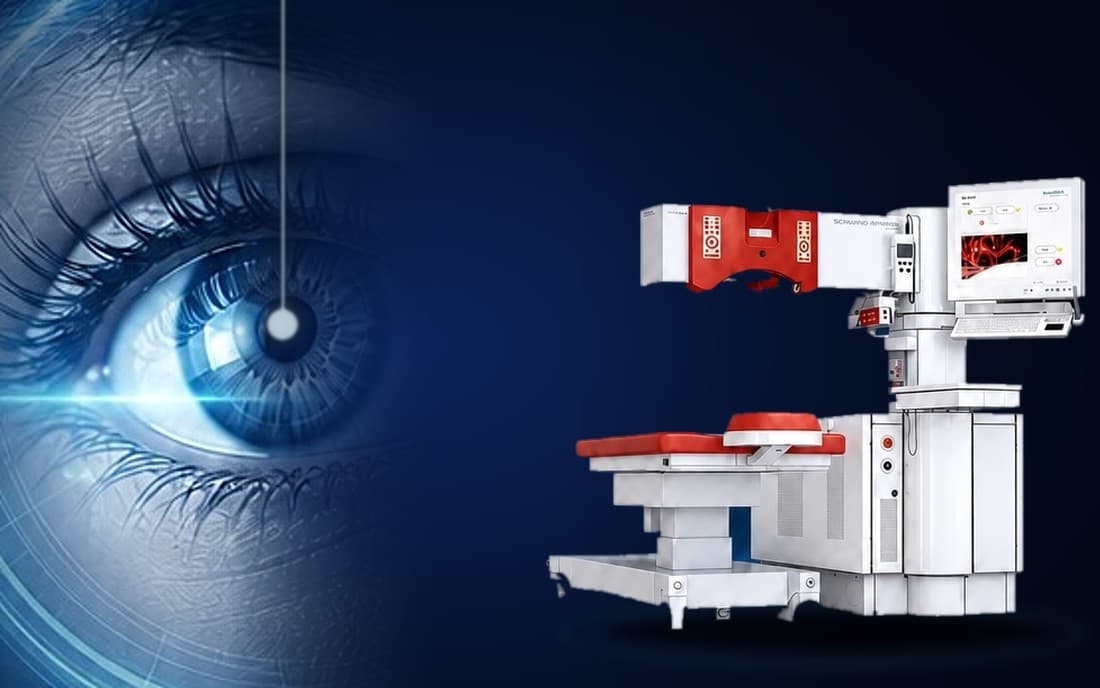
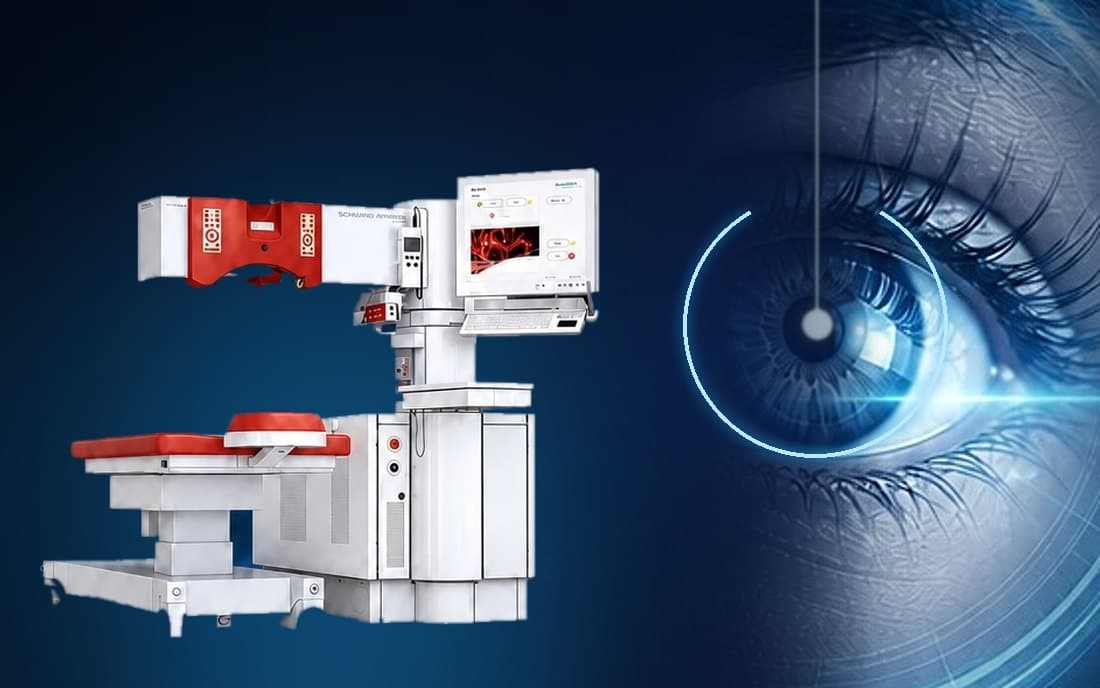
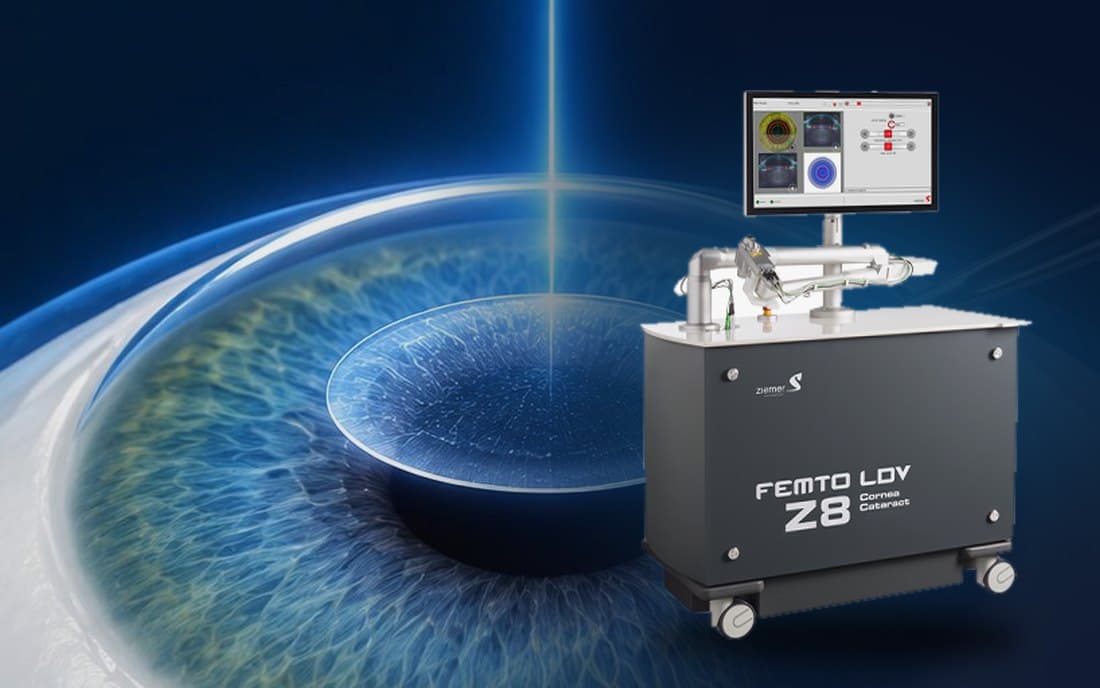
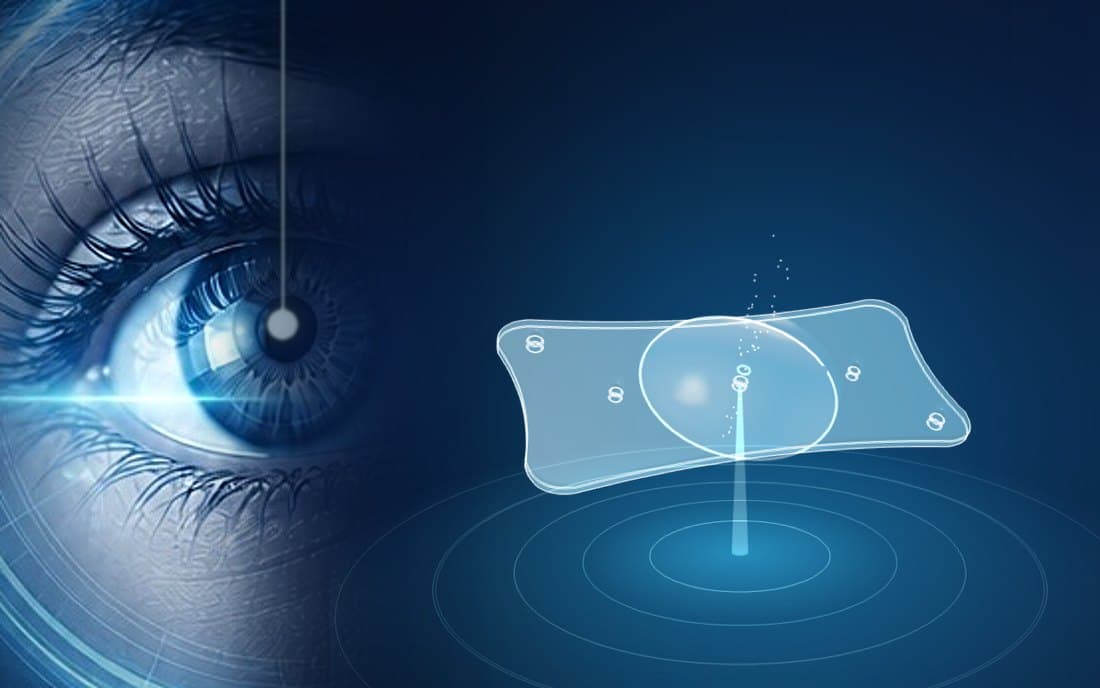
Questions patients ask
Can I have LASEK in Korea on the same day as my exam?
Yes. At Healing Eye the full exam and Premium LASEK are done on day 1 if your eyes are suitable. What cannot be compressed is healing: you come back three days after surgery so I can check the surface, and you fly home after that visit.
Does 48-hour LASEK hurt less?
Usually the painful period is a day shorter, because a narrower area of surface cells is removed. I reach a similar goal differently — with anti-inflammatory drops before, during and after surgery and with cooling — so I don't have to shrink the treatment zone.
Why is a narrow treatment zone a problem?
At night your pupil opens wider. If the treated zone is smaller than the pupil, light passing through the untreated edge causes glare and halos, and narrow zones also tend to regress sooner. Vision looks fine at first; the downside shows up later.
How much is Premium LASEK at Healing Eye?
Premium LASEK is ₩1,990,000 for both eyes (regular ₩2,190,000), including corneal cross-linking, autologous serum and SCOUT. The full exam is ₩150,000. Foreign patients pay the same price as Korean patients.
About the doctor

Dr. Kim Sun-young, Director
Cornea · Glaucoma · Cataract
- MS, Catholic Univ. College of Medicine · Ophthalmology specialist, Catholic Medical Center
- Clinical Professor (Cornea & Cataract), Uijeongbu St. Mary's Hospital
- Best Resident Award, Seoul St. Mary's (2009) · Minister of Health & Welfare Award (2008)
- 108th Korean Ophthalmological Society Research Award · KDCA epidemiology citation
- Member — Korean Ophthalmological Society (KOS), KEEDS, KCLSS & ESCRS
What patients say on Google
4.8
217 reviews
Dr. Kim's articles on this topic

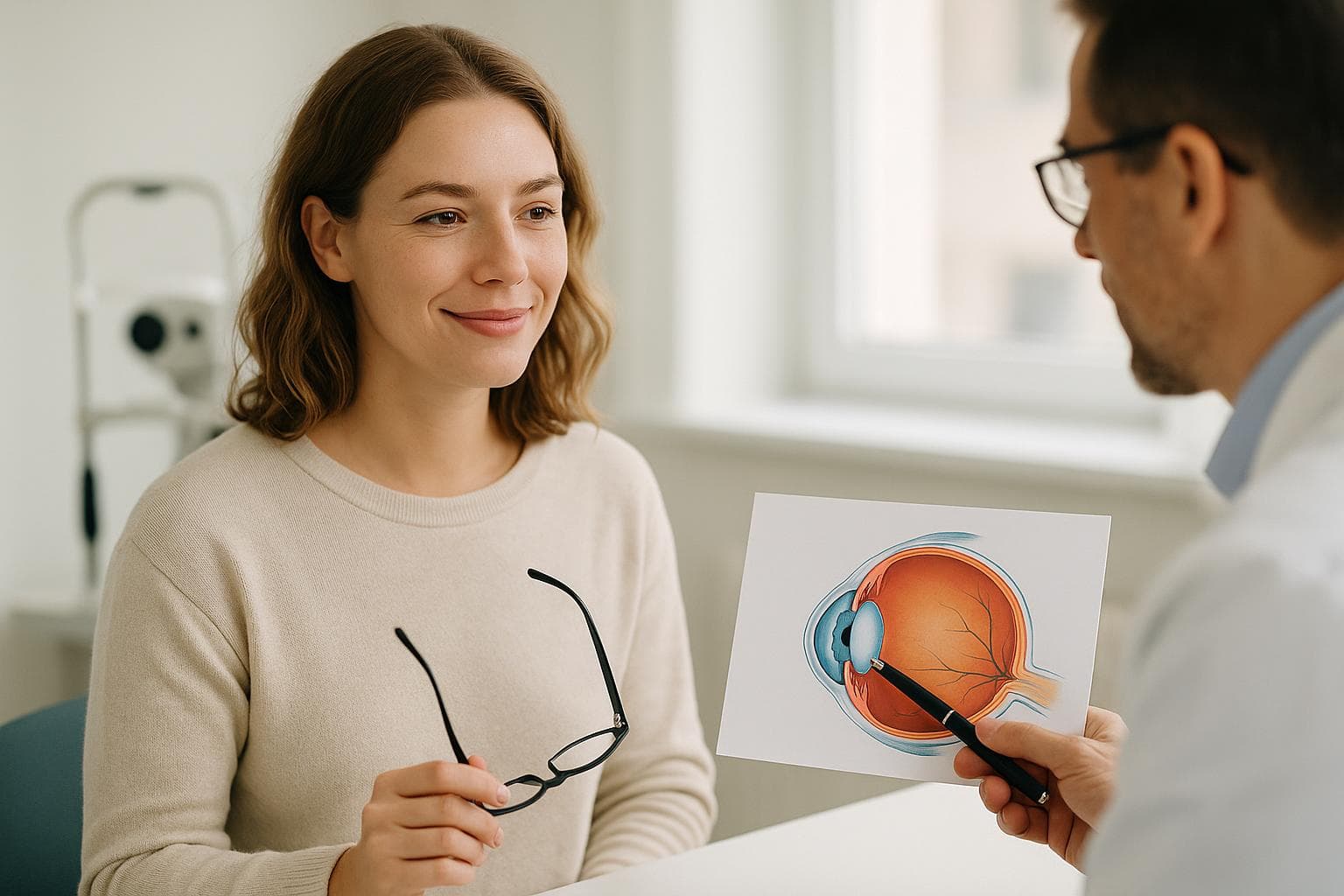
Patients who came from abroad
More videos from Dr. Kim
Videos are in Korean; many have English subtitles.
More from Dr. Kim TV
 19:03Watch
Choosing a Cataract Lens in Korea: Why the Priciest IOL Isn't Always Right
 9:16Watch
How to Choose a Cataract Surgeon in Korea: 3 Things I'd Check First
 11:26Watch
Dry Eye Treatment: 4 Everyday Habits That Keep Your Eyes Dry
 9:18Watch
Hyperopia Surgery in Korea: Yes, Farsighted Eyes Can Have LASIK or LASEK
Not sure which one fits your eyes?
Send your prescription or questions — Dr. Kim's team replies in English.