SMILE LASIK Risks: Who Should Choose LASIK, LASEK or ICL Instead
SMILE LASIK risks, from a Korean eye surgeon: high myopia, thin corneas, irregular astigmatism and age 40+ are when LASIK, LASEK or ICL suits you better.

Dr. Kim Sun-young, Director
Based on Dr. Kim's video
Korean audio · plays muted — tap the speaker for sound, CC for subtitles
The short answer
- SMILE is a good surgery with less dry eye, but it is not the right answer for every eye.
- High myopia (around −6 D and above), a thin or weak cornea, or a keratoconus tendency: SMILE should not be stretched to fit — LASEK or ICL is safer.
- Irregular astigmatism, age 40+, or a likely future touch-up: I usually recommend LASIK instead.
- After about 45 with presbyopia, or with very high farsightedness, presbyopia-cataract lens surgery can give a better and longer-lasting result.
Key moments
Tap a moment to jump the video there
I'm Dr. Kim Sun-young, medical director of Healing Eye Clinic in Gangnam, Seoul. I trained in ophthalmology at the Catholic Medical Center and worked as a clinical professor of cornea and cataract at Uijeongbu St. Mary's Hospital. Almost every week a patient sits down in my exam room and says, "I want SMILE — that's the top choice now, isn't it?" This video is my honest answer, and this page is the same answer in writing.
The short version: SMILE is a good surgery, but whether it is good for you depends on your cornea, your prescription, your astigmatism and your age. Below I go through who should pick something else, and what that something else is.
Why so many people ask for SMILE first
Worldwide, LASIK is still the most common laser vision correction — around 60–70% of procedures — while SMILE is under 10%. In Korea it is the opposite: SMILE is done more than LASIK or LASEK. Popularity, though, is not a medical reason.
SMILE corrects myopia without opening a flap. The laser shapes a thin lens of tissue inside the cornea, and that tissue is removed through a small opening of about 2 mm. Because the edge of the cornea is not cut all the way round, healing is quick and fewer corneal nerves are cut.
The biggest real advantage of SMILE is less dry eye. Studies show a smaller gap than many people expect, but in my own patients I do see eyes stay more comfortable.
The limits of SMILE: what more than ten years of data show
When SMILE started, there were two hopeful theories: no flap means a stronger cornea, and removing tissue from deeper layers should be even safer than LASEK. Both turned out weaker than expected.
- Corneal ectasia — the cornea bulging forward after surgery — has been reported after SMILE about as often as after LASIK, and more often than after LASEK. The idea that people at −7, −8 or −9 D can safely have SMILE has been replaced: SMILE should be judged by the same strict corneal limits as LASIK.
- Software maturity. LASIK and LASEK have 20–30 years of development behind them, including wavefront-guided treatment of irregular astigmatism and correction for the eye's rotation when you lie down. Newer SMILE platforms have started to track rotation and the visual axis, but they still cannot treat irregular astigmatism the way LASIK and LASEK can.
- Recovery after the late 30s. Both are quick, but SMILE recovers a little more slowly than LASIK, and the gap grows from the late thirties.
Ask Dr. Kim's team about your eyes
Interpreters on site · same price as Korean patients
When LASIK suits you better
I lean toward 1day LASIK rather than SMILE when:
- You have irregular astigmatism. LASIK can treat it more precisely, so the quality of vision tends to be cleaner.
- You are around 40 or older. Recovery is faster with LASIK in this age group, and presbyopia is close — a second, fine-tuning surgery becomes more likely.
- You may need a touch-up later. SMILE cannot be repeated with SMILE; an enhancement has to be done with LASIK or LASEK. Re-lifting a LASIK flap is simple.
- Your cornea heals slowly — for example with diabetes or another underlying condition.
LASIK can leave a little more dry eye than SMILE, and I explain that trade-off honestly. For a busy patient in their 40s, quick recovery and an easy touch-up usually weigh more.
Who needs LASEK instead
If the cornea is thin or weak to begin with, or if a lot of tissue must be removed (roughly −6 D and above), neither SMILE nor LASIK is the right answer. That is when I recommend Premium LASEK, which treats the surface of the cornea and leaves no flap and no deep cut.
LASEK asks more patience: the first three days are the most uncomfortable, the surface takes about a week to close, and vision keeps sharpening over weeks to a few months while you use drops and wear sunglasses outdoors. In return it keeps the most corneal strength — which matters most in the eyes that are at risk.
When ICL is the better answer
Some corneas should not be touched at all. Keratoconus affects about 1 in 1,000 people, and a keratoconus tendency is more common than that. Lasering those corneas raises the risk of ectasia, regression or new astigmatism — so LASIK, SMILE and even LASEK are off the table.
For them, and for very high myopia, an ICL lens implant is my first choice. The lens sits behind the iris, the cornea is not reshaped, and vision usually comes back by the next morning. Modern EVO lenses with a central port have greatly reduced the old glaucoma and cataract concerns. For low prescriptions, laser is still more precise, because laser corrects in very fine steps while lens powers come in fixed steps.
Prices at Healing Eye (both eyes)
Clear SMILE LASIK ₩2,700,000 (regular ₩2,900,000) · 1day LASIK / Premium LASEK ₩1,990,000 · EVO ICL ₩5,500,000 · EVO ICL Toric ₩6,000,000 · full exam ₩150,000. Foreign patients pay the same price as Korean patients.
After 45: why lens surgery can replace SMILE
Cataract surgery today is no longer only about removing a cloudy lens — it is vision correction. The natural lens is replaced with an artificial one, and modern lenses can correct distance, intermediate and near vision along with astigmatism.
- If you are over about 45 and presbyopia has started, or over 50, I usually recommend presbyopia-cataract surgery rather than SMILE, LASIK or LASEK. Laser surgery does not prepare you for presbyopia, so reading glasses come back around 50.
- If you are younger but have very high farsightedness (around +8 or +9 D), lens surgery tends to give a better result than reshaping the cornea.
- Once done, a cataract never comes back, so the result is long-lasting.
How to choose the surgery that fits your eyes
SMILE is a good surgery, and for dry eye it is one I happily recommend. If you are in your 20s or 30s, have a thick cornea, low-to-moderate myopia and no irregular astigmatism, SMILE can give comfortable eyes and quick vision.
For everyone else, the answer comes from your exam: corneal thickness and strength, how much tissue would be removed and how much stays, astigmatism, age and presbyopia. At Healing Eye the same doctor does your exam, your surgery and your check-ups, so the person who reads your numbers is the person who explains the choice.
Procedures in this video
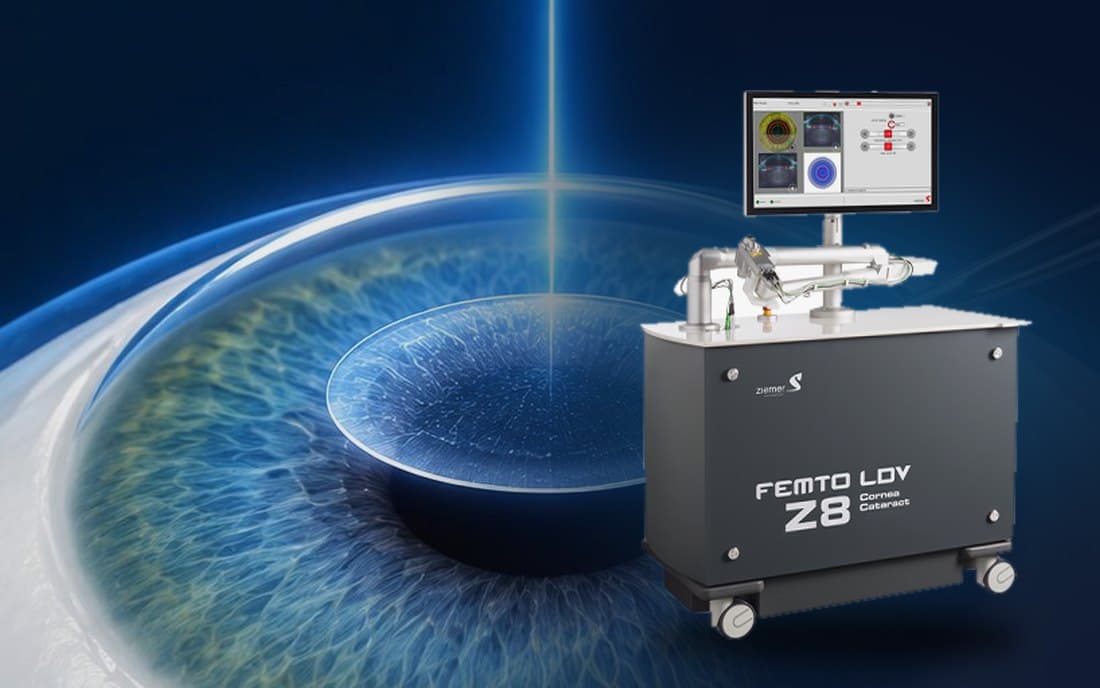
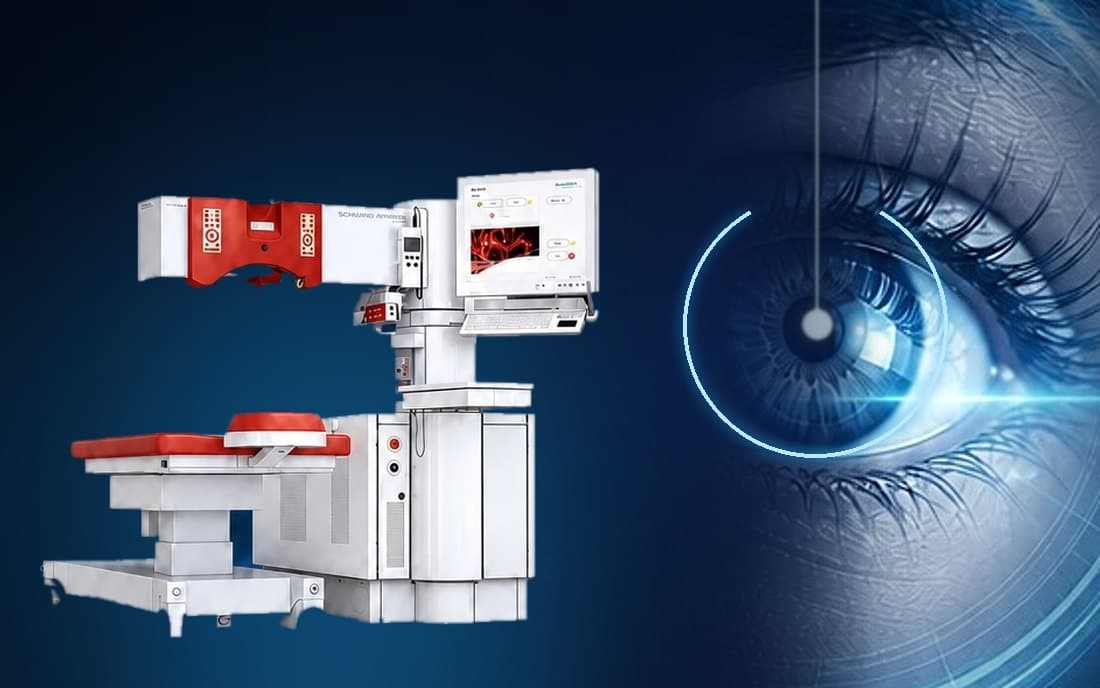
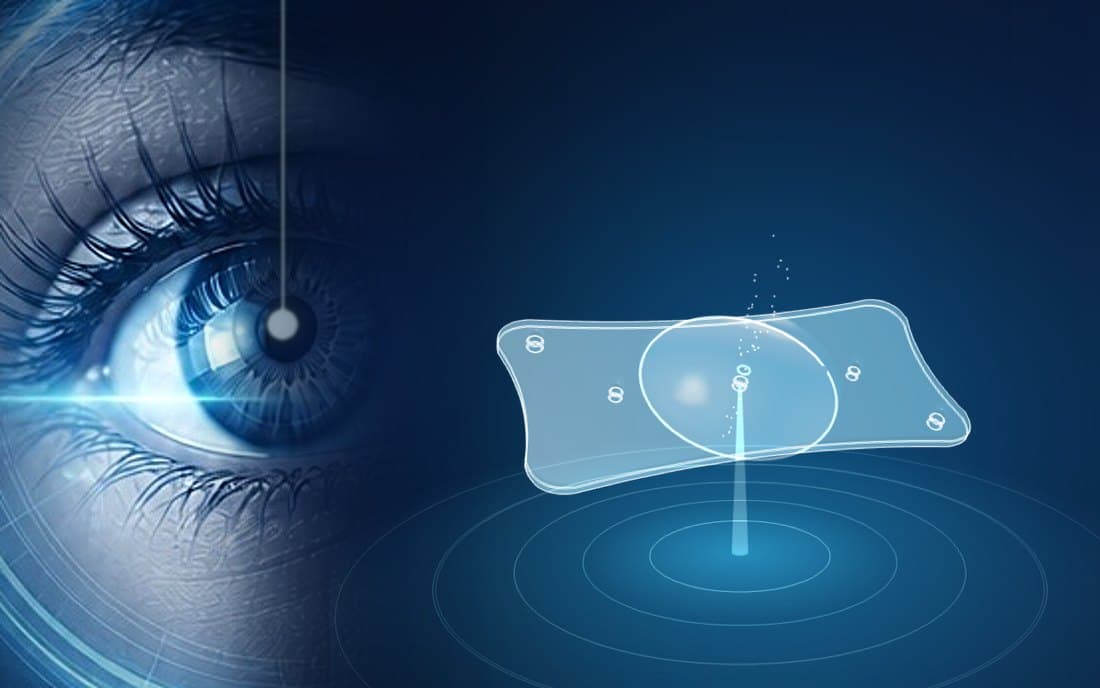

Questions patients ask
Is SMILE LASIK safer than LASIK?
Not automatically. SMILE leaves no flap and usually causes less dry eye, but more than ten years of follow-up data show corneal ectasia after SMILE is not rarer than after LASIK. The corneal safety limits used for LASIK should also be applied to SMILE.
Can I get SMILE with high myopia?
When a lot of cornea has to be removed — roughly −6 D and above, or a thin cornea — I do not recommend SMILE. Premium LASEK or an ICL lens implant is the safer choice in those eyes.
Can SMILE be redone if my vision changes?
A second SMILE is not possible. A touch-up after SMILE is done with LASIK or LASEK, which is one reason I lean toward LASIK for people likely to need one.
How much does SMILE cost at Healing Eye?
Clear SMILE LASIK is ₩2,700,000 for both eyes (regular ₩2,900,000). LASIK and LASEK are ₩1,990,000, EVO ICL is ₩5,500,000, and the full exam is ₩150,000. Foreign patients pay the same price as Korean patients.
About the doctor

Dr. Kim Sun-young, Director
Cornea · Glaucoma · Cataract
- MS, Catholic Univ. College of Medicine · Ophthalmology specialist, Catholic Medical Center
- Clinical Professor (Cornea & Cataract), Uijeongbu St. Mary's Hospital
- Best Resident Award, Seoul St. Mary's (2009) · Minister of Health & Welfare Award (2008)
- 108th Korean Ophthalmological Society Research Award · KDCA epidemiology citation
- Member — Korean Ophthalmological Society (KOS), KEEDS, KCLSS & ESCRS
What patients say on Google
4.8
217 reviews
Dr. Kim's articles on this topic
Patients who came from abroad
More videos from Dr. Kim
Videos are in Korean; many have English subtitles.
More from Dr. Kim TV
 19:03Watch
Choosing a Cataract Lens in Korea: Why the Priciest IOL Isn't Always Right
 9:16Watch
How to Choose a Cataract Surgeon in Korea: 3 Things I'd Check First
 11:26Watch
Dry Eye Treatment: 4 Everyday Habits That Keep Your Eyes Dry
 9:18Watch
Hyperopia Surgery in Korea: Yes, Farsighted Eyes Can Have LASIK or LASEK
Not sure which one fits your eyes?
Send your prescription or questions — Dr. Kim's team replies in English.